

Decorating a home is not only about choosing beautiful furniture and colors; it is also about creating a balanced atmosphere that reflects personal taste.
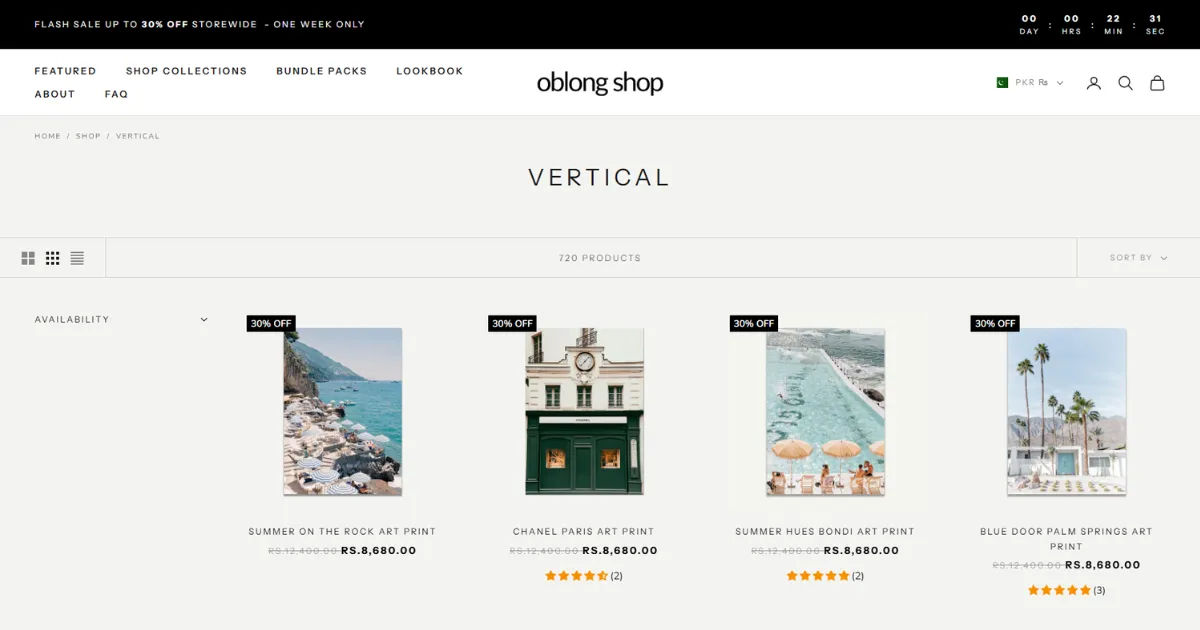
Long vertical wall art has become a popular choice for modern interiors because it can add height, elegance, and personality to empty walls. However, many homeowners wonder whether this type of artwork should be framed or displayed without a frame.
The decision depends on several factors, including the style of the artwork, the room design, the material, and the overall look you want to achieve. A frame can enhance the artwork by adding structure and sophistication, while a frameless design can create a clean and contemporary appearance.
Understanding the benefits and limitations of framing can help you make the right choice for your space. This guide explores when framing works best, when it may not be necessary, and how to choose the perfect presentation style.
The Purpose of Framing Wall Art
A frame is more than just a decorative border around artwork. It serves both practical and visual purposes. Traditionally, frames were used to protect paintings and prints from damage caused by dust, moisture, and aging. Today, they also play an important role in interior design.
A well-chosen frame can make artwork appear more complete and polished. It creates a visual separation between the artwork and the surrounding wall, allowing the piece to stand out. For tall and narrow artwork, this extra definition can make the design feel more intentional.
At the same time, not every piece requires framing. Some artwork is created with finished edges, textured surfaces, or modern materials that look better when displayed as they are.
Benefits of Framing Long Vertical Wall Art
Creates a More Finished Appearance
One of the biggest advantages of framing is that it gives artwork a refined and finished appearance. A frame can transform a simple canvas into a statement piece that feels carefully selected and professionally displayed.
In formal spaces such as dining rooms, offices, and entryways, a frame can add a sense of elegance. Wooden frames can bring warmth, while metallic frames can create a more luxurious feeling.
When decorating a large empty wall, framed pieces often provide a stronger visual impact because they look structured and balanced.
Protects the Artwork
Protection is another important reason to consider framing. Artwork can be affected by sunlight, dust, humidity, and accidental damage over time.
A quality frame can help protect the edges and surface of the artwork. Some framing options also include glass or acrylic coverings, which provide additional protection for delicate prints and photographs.
For valuable artwork or pieces placed in high-traffic areas, framing can be a practical investment.
Improves Room Coordination
Interior design depends on creating harmony between different elements in a room. A frame can help connect artwork with furniture, lighting, flooring, and other decorations.
For example, a black frame may complement modern furniture, while a natural wood frame may work well with rustic or Scandinavian interiors. The right frame can make the artwork feel like part of the overall design rather than an isolated decoration.
When Frameless Artwork May Be Better
Although framing offers many advantages, there are situations where a frameless style creates a better result.
Modern Minimalist Designs
Many contemporary interiors focus on simplicity and clean lines. In these spaces, adding a frame may make the artwork feel heavier than intended.
A frameless canvas creates a smooth and modern appearance. It allows the artwork itself to become the main focus without adding extra visual elements.
Minimalist homes often benefit from this approach because the design remains open, airy, and uncluttered.
Artwork With Designed Edges
Some canvas pieces are specifically designed with painted edges or wrapped sides. These details are meant to be visible and can become part of the artwork’s overall style.
Adding a frame in these cases may hide important design features. Instead, displaying the artwork without a frame allows the complete piece to be appreciated.
Choosing the Right Frame Style
If you decide to frame your artwork, selecting the right style is essential. The frame should support the artwork instead of competing with it.
Consider the Artwork Colors
The colors within the artwork should influence your frame choice. Neutral frames often work well with colorful artwork because they provide balance. For simple artwork, a more decorative frame can add character.
Avoid choosing a frame that distracts from the main design. The artwork should always remain the center of attention.
Match Your Interior Style
Your room style should guide your framing decision. Traditional spaces may look better with detailed wooden frames, while modern rooms often suit simple black, white, or metallic options.
For bedrooms and relaxing areas, softer frame designs can create a comfortable atmosphere. For professional spaces, clean and structured frames often appear more suitable.
How Frame Size Affects the Overall Look
The size of the frame can significantly change how artwork appears on a wall. A very thick frame may overpower a narrow piece, while a thin frame may provide the perfect finishing touch.
Because tall artwork already creates a strong vertical effect, the frame should enhance this feature rather than reduce it.
A balanced frame helps maintain the elegant proportions of the artwork. This is especially important when decorating narrow walls, hallways, or areas with limited space.
Framing Options for Different Materials
Different artwork materials require different framing approaches. Canvas, paper prints, photographs, and mixed-media pieces all have unique needs.
Canvas artwork often looks attractive with floating frames, where a small gap separates the canvas from the frame. This creates a modern gallery-style appearance.
Paper prints usually require more protection, making traditional frames with glass a better choice. The frame style should match both the material and the environment where the artwork will be displayed.
Factors to Consider Before Framing
Before making a final decision, consider the following questions:
What Is the Room Style?
Think about whether your room is modern, traditional, industrial, or minimalist. The artwork presentation should match the existing atmosphere.
How Permanent Is the Decoration?
If you frequently change your interior design, a simple frame option may provide flexibility. If you are creating a long-term design feature, investing in a high-quality frame may be worthwhile.
What Is the Artwork’s Purpose?
Some pieces are meant to be subtle background decorations, while others are designed as focal points. A frame can increase the importance of artwork by making it appear more prominent.
Common Mistakes When Framing Artwork
Many homeowners make framing decisions based only on personal preference without considering the relationship between the artwork and the room.
Choosing a frame that is too decorative can distract from the artwork. Similarly, selecting a frame that does not match the room can create an unbalanced appearance.
Another mistake is ignoring the wall color. Dark walls, light walls, and textured surfaces can all affect how the frame looks.
Careful planning ensures that the artwork enhances the room rather than creating visual competition.
Display Ideas for Tall Artwork
Tall artwork works well in areas where vertical space needs attention. It can be placed beside furniture, near entrances, above narrow tables, or along hallway walls.
A framed piece can create a classic gallery feeling, while a frameless design can provide a more relaxed and modern look.
Using proper lighting can also improve the appearance. Wall lights or focused ceiling lights can highlight textures, colors, and details.
Is Framing Worth the Investment?
Whether framing is worth it depends on your goals. If you want a professional, elegant, and protected display, framing is usually a valuable choice.
For homeowners who prefer a simple contemporary style, leaving artwork unframed may create a cleaner appearance.
The best decision is the one that matches your personal taste and complements your interior design. There is no universal rule because every space has different needs.
Conclusion
Choosing whether to frame long vertical wall art depends on the artwork, the room, and the atmosphere you want to create. Frames can provide protection, elegance, and a finished appearance, while frameless designs can offer simplicity and modern appeal.
A carefully selected frame can turn artwork into a sophisticated focal point. However, some designs look more impressive when displayed naturally without additional borders.
Before making your decision, consider the style of your home, the material of the artwork, and how you want the piece to interact with your space. The right presentation method will help your artwork create the visual impact you desire.
Whether framed or unframed, long vertical wall art remains a powerful way to add personality, height, and beauty to interior spaces. By understanding the advantages of each option, you can create a display that feels balanced, stylish, and uniquely yours.

Leave a Reply