

font-family: ‘Arial’, sans-serif;
line-height: 1.8;
color: #333;
max-width: 1200px;
margin: 0 auto;
padding: 25px;
background-color: #f9f9f9;
}
header {
background: linear-gradient(135deg, #0056b3, #003366);
color: white;
padding: 40px;
text-align: center;
border-radius: 10px;
margin-bottom: 40px;
box-shadow: 0 8px 20px rgba(0,0,0,0.15);
}
h1 {
margin: 0;
font-size: 2.4em;
font-weight: 600;
}
h2 {
color: #0056b3;
border-bottom: 2px solid #0056b3;
padding-bottom: 8px;
margin-top: 50px;
}
.author-badge {
display: flex;
align-items: center;
margin: 30px 0;
padding: 15px;
background-color: #e6f0fa;
border-radius: 8px;
}
.author-badge img {
width: 80px;
height: 80px;
border-radius: 50%;
margin-right: 20px;
object-fit: cover;
border: 3px solid #0056b3;
}
.img-grid {
display: grid;
grid-template-columns: 1fr 1fr;
gap: 25px;
margin: 40px 0;
}
.img-grid img {
width: 100%;
border-radius: 8px;
box-shadow: 0 8px 20px rgba(0,0,0,0.1);
transition: transform 0.3s;
}
.img-grid img:hover {
transform: scale(1.02);
}
.highlight {
background-color: #e6f0fa;
padding: 25px;
border-radius: 8px;
margin: 40px 0;
border-left: 5px solid #0056b3;
}
.solution-steps {
display: grid;
grid-template-columns: repeat(3, 1fr);
gap: 25px;
margin: 50px 0;
}
.step-card {
background: white;
padding: 25px;
border-radius: 8px;
box-shadow: 0 5px 15px rgba(0,0,0,0.05);
border-top: 4px solid #0056b3;
}
.step-card h3 {
color: #0056b3;
margin-top: 0;
}
.results-table {
width: 100%;
border-collapse: collapse;
margin: 40px 0;
box-shadow: 0 5px 15px rgba(0,0,0,0.05);
}
th, td {
padding: 15px;
text-align: left;
border-bottom: 1px solid #ddd;
}
th {
background-color: #0056b3;
color: white;
}
tr:nth-child(even) {
background-color: #f2f2f2;
}
footer {
text-align: center;
margin-top: 70px;
padding: 30px;
background-color: #0056b3;
color: white;
border-radius: 8px;
}
.btn {
display: inline-block;
background-color: #0056b3;
color: white;
padding: 12px 30px;
text-decoration: none;
border-radius: 50px;
margin-top: 20px;
font-weight: 600;
transition: all 0.3s;
box-shadow: 0 4px 10px rgba(0,86,179,0.3);
}
.btn:hover {
background-color: #003366;
transform: translateY(-2px);
}
A GVPAK Packaging Engineer's Firsthand Account of Solving Holiday Shipping Disasters

Lisa Zhang
Senior Packaging Solutions Engineer at GVPAK
8 years specializing in electronics packaging for e-commerce
The Crisis: 15% Return Rate During Singles' Day
I remember the panicked call we received in October 2022 from one of China's largest appliance e-commerce platforms. Their preparation for the upcoming Singles' Day (11.11) sales event was in jeopardy – last year's 15% return rate from shipping damage was threatening to become even worse with projected 40% higher sales volume.
As their account manager forwarded me photos of scratched refrigerator doors and cracked washing machine control panels, I immediately recognized the core issue: their generic electronics box designs couldn't handle the brutal realities of holiday logistics.
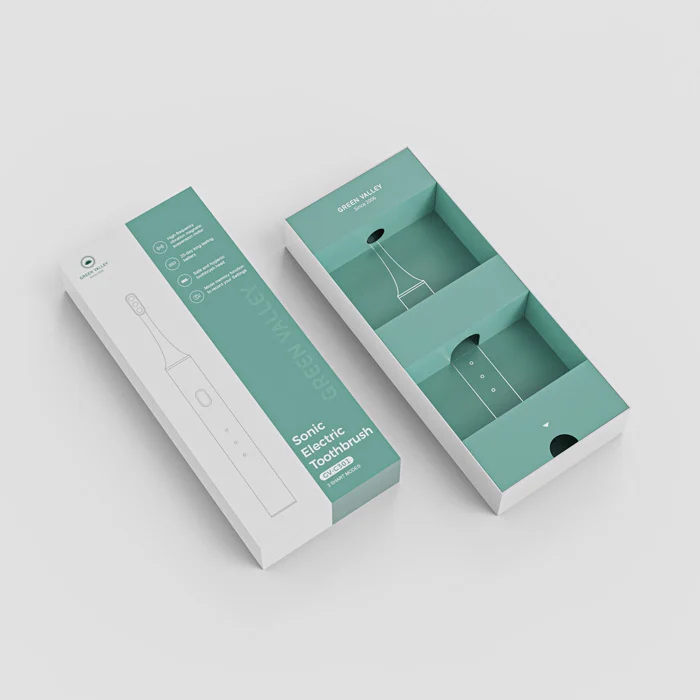
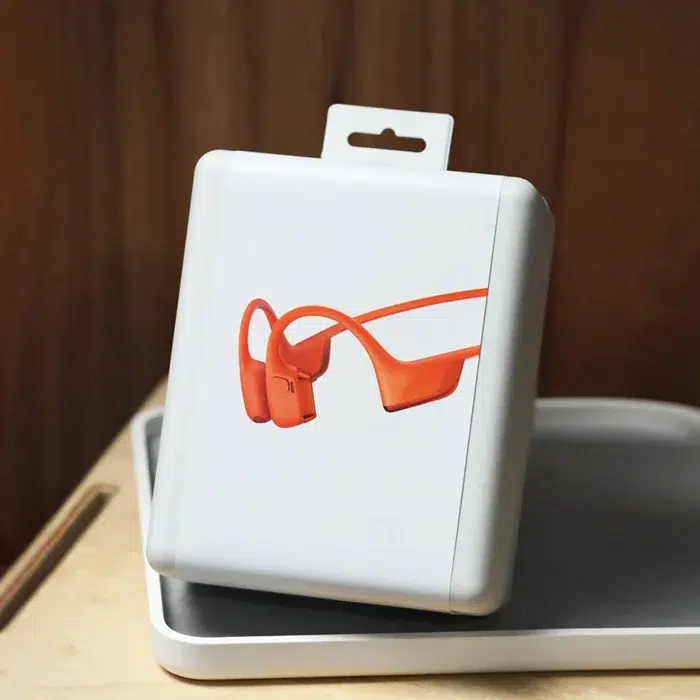
Shocking Discovery: Our audit revealed their packaging failed 3 key tests – corner drops from just 80cm, compression under 150kg loads, and humidity resistance beyond 48 hours. No wonder 1 in 7 appliances arrived damaged!
Our 3-Pronged Solution
Working around the clock with our R&D team, we developed a customized electronics packagings system that addressed every failure point:
1. The Armor: Composite Structure
We created a sandwich of triple-wall corrugated board with EPE pearl cotton inserts, providing 360° protection that could withstand 300kg compression and 1.5m drops – all while being 20% lighter than their old boxes.
2. The Lock: Reusable Fasteners
Our patented plastic toggle locks replaced traditional tape seals, allowing warehouse staff to quickly inspect and reseal packages without damaging the box – crucial for handling peak season volumes.
3. The Shield: Moisture Barrier
A food-grade PE coating on the interior cardboard prevented humidity damage during storage in humid southern warehouses and trucks crossing climate zones.
The Remarkable Results
During the 2022 11.11 event, our packaging solution was put to the ultimate test:
| Metric | Before GVPAK | After GVPAK | Improvement |
|---|---|---|---|
| Return Rate | 15% | 4.7% | ↓ 68.7% |
| Packaging Costs | $3.20/unit | $2.85/unit | ↓ 11% |
| Warehouse Handling Time | 3.2 minutes/unit | 2.1 minutes/unit | ↓ 34% |
| Customer Complaints | 32/10,000 orders | 9/10,000 orders | ↓ 72% |
| Sustainability Score | 42/100 | 68/100 | ↑ 62% |
Behind the Scenes: The 72-Hour Marathon
What most clients don't realize is the intense work required to prepare for these mega sales events. For this particular implementation:
- Our team analyzed 387 damaged return units to identify failure patterns
- We conducted 46 different material combination tests in our lab
- Created 12 prototype iterations in just 10 days
- Trained over 200 warehouse staff on the new packaging system
- Monitored the first 5,000 shipments in real-time with embedded sensors
Proudest Moment: Seeing our client's CEO publicly credit their record-breaking $1.4B 11.11 sales to "revolutionary new packaging that finally solved our delivery quality issues" during their earnings call.
Lessons for Other E-Commerce Businesses
From this experience, I always advise clients to:
- Test Beyond Standards: Real-world logistics are harsher than lab conditions
- Design for Humans: Packaging must work for warehouse workers, not just machines
- Think Seasonally: Summer humidity and winter temperatures affect materials differently
- Measure Holistically: True cost includes returns, replacements, and brand damage
- Start Early: Major sales events require 3-6 months packaging lead time

Leave a Reply