

When an old, damaged, or unwanted vehicle is sitting unused, choosing to scrap my car can be more than a practical way to clear space. It can also be an environmentally responsible decision. End-of-life vehicles contain valuable metals, reusable components, fluids, plastics, glass, rubber, and other materials that can be recovered instead of being left to deteriorate or sent unnecessarily to landfill.
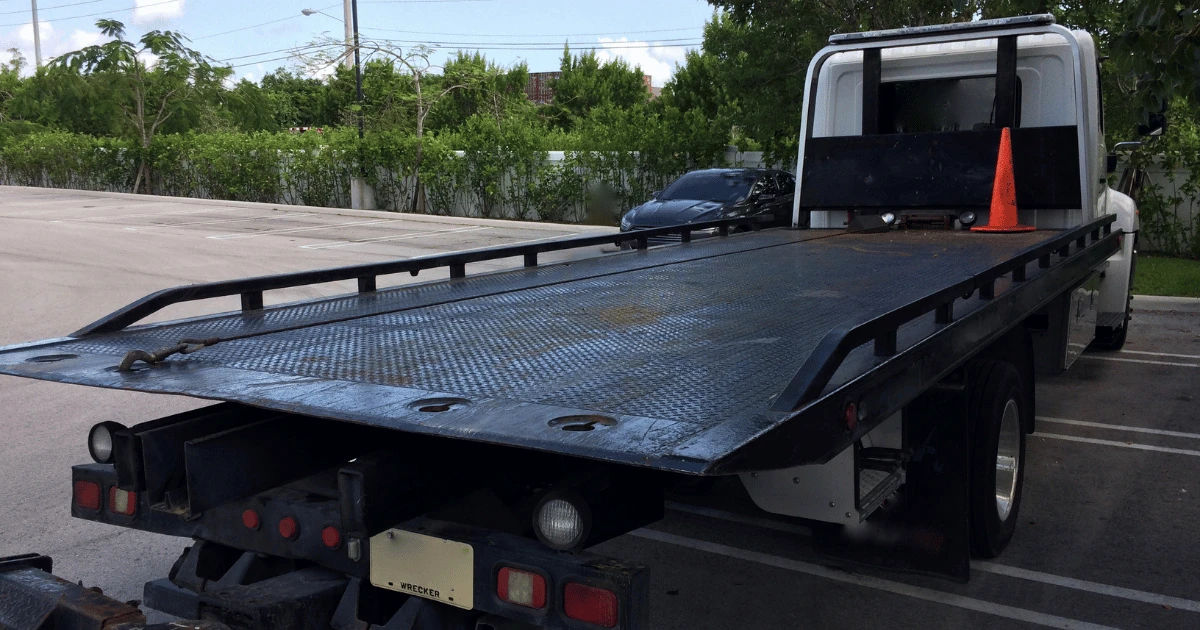
Modern vehicle recycling is designed to recover as much useful material as possible. A responsible recycling facility can dismantle a vehicle, remove hazardous substances, separate valuable materials, and prepare recyclable parts for another use.
This process reduces the demand for new raw materials and helps limit the energy required to manufacture certain products from virgin resources. It can also reduce pollution associated with abandoned vehicles and poor disposal practices.
Understanding these environmental benefits makes it easier to see why responsible vehicle recycling has become an important part of sustainable waste management.
Why Old Cars Can Become an Environmental Problem
A vehicle may look harmless when it is parked in a driveway, garage, or empty lot, but an unwanted car can contain several substances that require careful handling.
Engine oil, transmission fluid, brake fluid, coolant, fuel, and other automotive liquids can contaminate soil and water if they leak. Batteries can also contain materials that should be collected and processed properly.
As a vehicle ages, seals, hoses, metal components, and other parts can deteriorate. If the car is abandoned, damaged, or stored outdoors for a long period, the risk of leaks and environmental contamination can increase.
An unwanted vehicle also takes up space and contains a large amount of material that could potentially be recovered. Sending those materials into the recycling system is generally more useful than allowing them to become unmanaged waste.
Recycling Valuable Metals
One of the biggest environmental advantages of vehicle recycling is metal recovery.
Cars contain substantial quantities of steel and other metals. When a vehicle reaches the end of its useful life, these materials can be separated and sent to recycling facilities.
Recycling metal reduces the need to obtain the same resources from newly mined materials. Mining can involve land disturbance, energy consumption, water use, transportation, and other environmental impacts.
When recovered steel and other metals are processed for new manufacturing, some of the pressure on natural resources can be reduced.
This does not mean recycling has no environmental cost. Processing, transporting, and melting metals still require energy. However, recovering existing materials can be a valuable part of a circular economy because resources already extracted from the earth remain useful for another production cycle.
Reducing the Need for Raw Materials
Manufacturing a vehicle requires many different raw materials. These include metals, plastics, rubber, glass, and other resources.
When an old vehicle is recycled, some of these materials can return to manufacturing processes. This creates a more circular system in which products are not simply used and discarded.
The idea is straightforward: instead of treating an old vehicle as worthless waste, useful materials are recovered and given another purpose.
This approach can help conserve natural resources over time. It also supports industries that depend on recycled materials and encourages manufacturers to think more carefully about the entire life cycle of products.
Reusing Working Car Parts
Not every component of an old vehicle has reached the end of its useful life.
Depending on the vehicle's condition, some components may be removed, inspected, cleaned, tested, and sold for reuse. Examples can include certain body panels, mirrors, lights, wheels, mechanical components, interior parts, and electronic equipment.
Reusing a component can sometimes prevent another new component from needing to be manufactured immediately.
This can reduce material demand and avoid some of the environmental impacts associated with producing, packaging, and transporting a replacement part.
However, safety is important. Components should only be reused when they are suitable and have been properly assessed. Safety-critical parts should never be reused simply because they appear acceptable.
Proper Disposal of Automotive Fluids
One of the most important environmental steps in vehicle recycling is removing fluids correctly.
Old cars can contain engine oil, coolant, brake fluid, transmission fluid, fuel, and other liquids. These substances should not simply be poured onto the ground or into drains.
Professional recycling and dismantling facilities have procedures for collecting and managing these fluids. Proper handling reduces the possibility of soil and water contamination.
Some automotive fluids may also be filtered, treated, recycled, or processed according to local environmental requirements.
This is an important reason to choose a responsible recycling operation rather than abandoning a vehicle or dismantling it without suitable facilities and knowledge.
Responsible Battery Recycling
Vehicle batteries require careful handling because they contain materials that can be harmful if improperly discarded.
Traditional lead-acid batteries, for example, contain lead and acidic electrolyte. Modern vehicles may also contain different battery technologies, particularly hybrid and electric vehicles, which require specialized recycling processes.
Responsible recyclers identify the type of battery involved and arrange appropriate handling.
Recovering battery materials can allow valuable resources to enter another production cycle while reducing the risk of improper disposal.
Electric and hybrid vehicles require particular attention because their high-voltage battery systems are not ordinary scrap my car materials. Specialized procedures and trained professionals are needed to handle them safely.
Keeping Waste Out of Landfills
A vehicle contains far more material than many people realize.
There is metal in the body and structural components, glass in the windows, rubber in tyres and seals, plastic throughout the interior and exterior, and various other materials in mechanical and electrical systems.
If these materials are recovered separately, a large proportion can potentially be recycled or reused.
This helps reduce the amount of vehicle-related waste that needs final disposal.
Recycling does not eliminate waste completely, because some materials are difficult to recover or contaminated. Nevertheless, separating useful materials from genuine waste is an important environmental improvement.
Recycling Glass and Plastics
Metals often receive the most attention in vehicle recycling, but glass and plastics also matter.
Automotive glass can sometimes be collected and processed for appropriate recycling applications. Plastics can be separated according to their type and condition, although recycling them can be more complicated than recycling metals.
Recovering these materials helps prevent them from being treated as ordinary rubbish.
Plastic recycling also supports the wider goal of reducing dependence on newly produced plastic materials. Although not every automotive plastic component can be recycled economically, responsible dismantling can still recover materials that have a practical recycling route.
Reducing Energy Use in Manufacturing
Producing materials from recycled resources can sometimes require less energy than producing equivalent materials from virgin resources.
The exact savings depend on the material, recycling technology, transportation distance, and processing method.
For example, recycling metals can reduce some of the energy-intensive activities associated with extracting and processing newly mined ore.
This means that when an old vehicle enters a proper recycling system, the recovered materials can contribute to a manufacturing cycle that uses resources more efficiently.
Energy savings are therefore one part of the wider environmental value of vehicle recycling.
Supporting a Circular Economy
A circular economy aims to keep materials and products useful for as long as possible.
Instead of following a simple pattern of extracting resources, manufacturing products, using them, and throwing them away, the circular approach focuses on repair, reuse, refurbishment, remanufacturing, and recycling.
Vehicle recycling fits naturally into this model.
An old car can become a source of usable parts and recyclable materials. Those resources can then support other products and manufacturing processes.
The more effectively materials are recovered, the less the economy needs to depend entirely on newly extracted resources.
How Responsible Car Dismantling Works
The environmental benefits depend heavily on how a vehicle is handled.
A responsible facility generally begins by assessing the vehicle and identifying components that can be safely removed or reused.
Hazardous fluids and other controlled materials are removed before the vehicle is processed further.
Reusable components may then be separated, while recyclable materials are sorted into suitable categories.
The remaining vehicle shell can be processed so that valuable metals are recovered.
This systematic approach is much better for the environment than simply leaving a vehicle abandoned or sending the entire car directly to a disposal site without material recovery.
Why Choosing a Responsible Recycler Matters
Not every disposal method provides the same environmental benefits.
When deciding where to take an unwanted vehicle, it is sensible to consider whether the recycler follows appropriate environmental and waste-management practices.
A responsible operator should have a clear process for handling fluids, batteries, tyres, refrigerants, metals, and other vehicle materials.
Proper documentation and lawful disposal procedures can also help ensure that the vehicle is processed through an appropriate channel.
Choosing a responsible recycler means the environmental advantages of vehicle recycling are more likely to be achieved.
The Environmental Benefits of Removing an Unwanted Vehicle
Removing an unused vehicle can provide several environmental advantages at the same time.
First, it prevents a potentially leaking vehicle from remaining in an unsuitable location.
Second, it makes valuable materials available for recovery.
Third, it allows usable components to be reused when appropriate.
Fourth, it reduces the amount of vehicle material that may otherwise become unmanaged waste.
Finally, it supports businesses and industries involved in recycling and resource recovery.
These benefits may seem small when considered individually, but recycling large numbers of vehicles can make a meaningful difference.
What Happens to the Vehicle After Collection?
After collection, the vehicle normally enters a dismantling and recycling process.
The first stage may involve checking the vehicle and identifying useful components.
Fluids and hazardous materials are removed and handled appropriately.
Parts suitable for reuse can be separated from components intended for recycling.
The vehicle is then processed so that materials such as steel and other metals can be recovered.
Depending on the facility and vehicle type, glass, plastics, rubber, electronics, and other materials may also be separated.
The exact process varies between recyclers, vehicle types, and local regulations, but the overall goal is to recover as much useful material as practical.
Can Scrapping a Car Reduce Pollution?
Responsible vehicle recycling can help reduce several forms of pollution indirectly.
Recovering materials can reduce the need for some new extraction and manufacturing activities. Proper fluid removal can reduce the risk of contamination. Reusing parts can reduce demand for certain newly manufactured replacements.
Transportation and recycling operations themselves create emissions, so recycling is not completely pollution-free.
The environmental benefit comes from comparing responsible material recovery with the alternative of abandoning, improperly dismantling, or unnecessarily disposing of a vehicle.
A well-managed recycling system aims to minimize waste while maximizing resource recovery.
What Vehicle Owners Can Do
Vehicle owners have an important role in making the process environmentally responsible.
Before handing over an unwanted car, remove personal belongings and important documents.
Choose a legitimate recycling or vehicle-removal service that can explain how the vehicle will be processed.
Ask how fluids, batteries, tyres, and other materials are handled if you want to understand the environmental practices of the business.
If the vehicle is still roadworthy and suitable for another owner, selling or donating it for continued use may sometimes be a better option than recycling it immediately.
Recycling is most appropriate when the vehicle has genuinely reached the end of its useful life or repair is no longer practical.
Why Recycling Is Better Than Abandoning a Car
Abandoning an old vehicle can create unnecessary environmental and community problems.
A neglected car can deteriorate over time, potentially releasing fluids and leaving large amounts of material unused.
It can also become difficult to determine who is responsible for the vehicle.
By sending an end-of-life vehicle through a legitimate recycling process, the owner gives the materials an opportunity to be recovered.
The vehicle can therefore move from being unwanted waste to becoming a source of reusable resources.
The Bigger Environmental Picture
Vehicle recycling is only one part of environmental protection, but it demonstrates an important principle: waste can contain valuable resources.
The automotive industry uses enormous quantities of materials. Recovering those materials at the end of a vehicle's life helps maintain a supply of secondary resources.
At the same time, consumers can contribute to better waste management by making responsible choices about unwanted vehicles.
The environmental impact of one car may not seem significant. However, when thousands of vehicles are processed responsibly, the combined effect becomes much more meaningful.
Conclusion
Choosing to scrap my car responsibly can help the environment by turning an unwanted vehicle into a source of useful materials. Instead of allowing an old car to deteriorate or treating it as ordinary waste, proper recycling can recover metals, reusable components, glass, plastics, batteries, and other resources.
One of the greatest advantages is metal recovery. Steel and other metals can be returned to manufacturing processes, reducing some dependence on newly extracted resources. Reusing suitable vehicle parts can provide another environmental benefit by reducing the need to manufacture certain replacement components.
Proper removal of automotive fluids and batteries is equally important. These materials require careful handling because improper disposal can cause contamination and create safety risks.
Vehicle recycling also supports the principles of a circular economy. Materials that have already been extracted and manufactured remain useful rather than immediately becoming waste.
However, the environmental value of recycling depends on responsible handling. Vehicle owners should choose legitimate recycling facilities that use appropriate procedures for dismantling, fluid recovery, material separation, and waste management.
Ultimately, deciding to scrap my car is not simply about getting rid of an unwanted vehicle. When done through a responsible recycling process, it is an opportunity to recover valuable resources, reduce waste, protect natural materials, and support a more sustainable approach to vehicle ownership.

Leave a Reply