

Traveling with large luggage can make any journey more challenging, especially when heading to or from an airport. Passengers often carry large suitcases, travel bags, strollers, sports equipment, or several bags when traveling with family. Choosing the right transportation service is important because not every vehicle has enough space for bulky belongings. 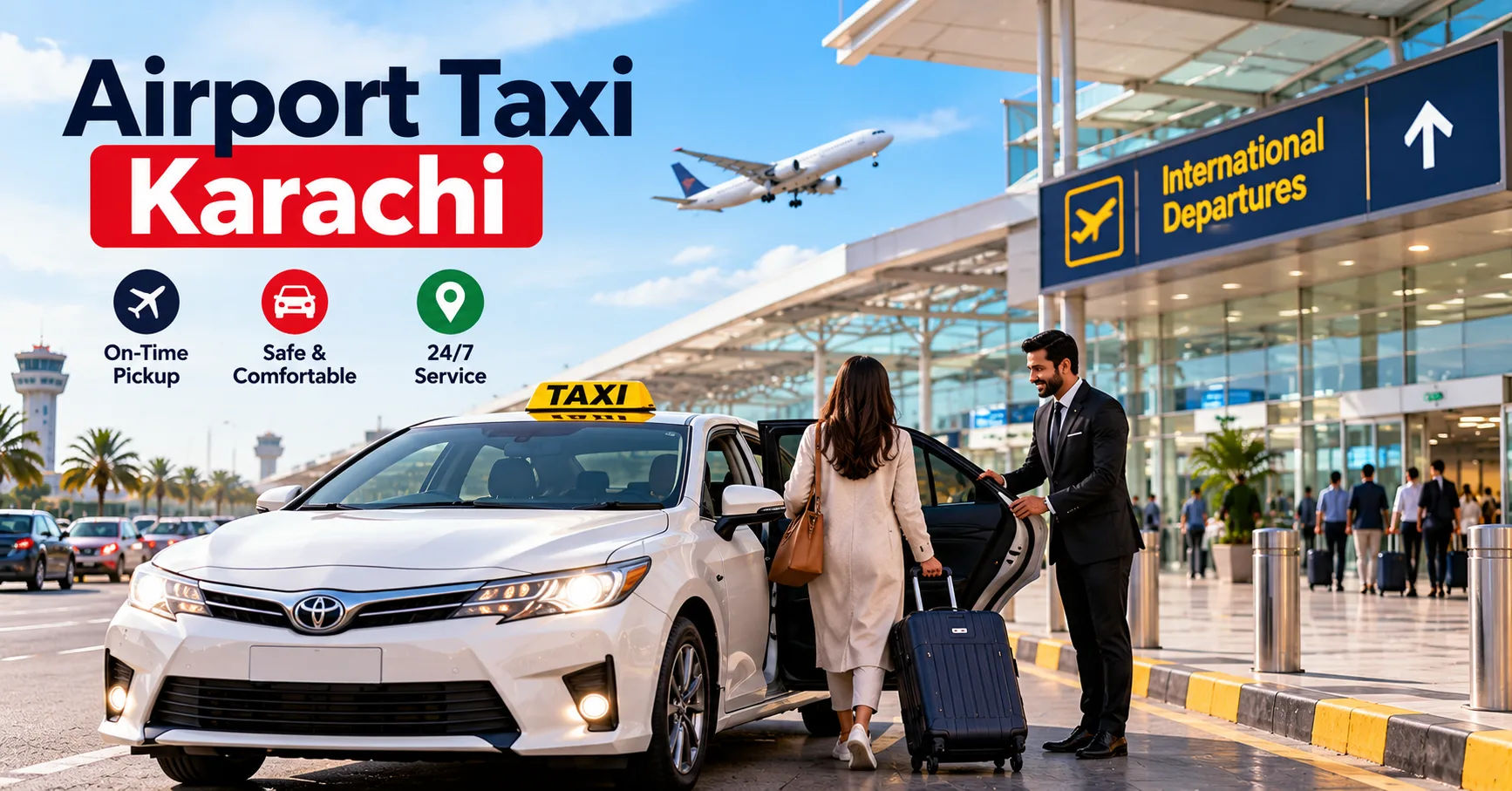 Airport Cab Karachi can be a convenient option for airport transfers, but passengers should understand how luggage capacity depends on the vehicle type, the number of travelers, and the size of their bags.
Whether you are arriving in Karachi after an international flight or leaving the city for a business trip, planning your luggage transportation in advance can help you avoid unnecessary stress. A suitable cab should provide enough room for both passengers and their belongings without making the journey uncomfortable.
The best approach is to communicate your luggage requirements before booking. By explaining how many bags you have and how large they are, you can help the service provider arrange a vehicle that meets your needs.
Luggage Capacity in Airport Cabs
Luggage capacity refers to the amount of baggage a vehicle can carry safely and comfortably. It depends on the vehicle's design, trunk size, passenger seating arrangement, and the shape of the items being transported.
A small sedan may accommodate a few standard suitcases, while a larger vehicle may provide additional room for oversized bags. However, actual capacity varies between models, so passengers should not assume that every vehicle in the same category offers identical storage space.
When booking an airport transfer, consider the luggage compartment as carefully as the passenger seating. A vehicle that comfortably accommodates four people may not have enough trunk space for four large suitcases.
What Counts as Large Luggage?
Large luggage generally includes suitcases that are bigger than standard carry-on bags. These items are commonly used for international travel, extended holidays, family visits, and business trips.
Examples include:
-
Large checked suitcases containing clothing and personal belongings.
-
Oversized travel bags used for long vacations.
-
Heavy duffel bags containing sports equipment or work supplies.
-
Baby strollers, folding travel cots, and other family essentials.
-
Musical instruments or equipment stored in bulky protective cases.
-
Multiple medium-sized bags that collectively occupy considerable space.
Passengers should also consider unusual shapes. A long instrument case or rigid equipment box may be difficult to fit inside a standard trunk, even when its overall volume seems manageable.
Does Every Cab Have Enough Space?
No. Luggage capacity differs from one vehicle to another. Some standard cars offer reasonable trunk space for everyday airport journeys, while others have smaller storage compartments.
The number of passengers also affects available space. If the back seat is occupied by travelers, the driver may not be able to use the passenger area for additional bags. For this reason, selecting a vehicle based only on the number of seats can lead to problems.
When arranging Airport Cab Karachi services, passengers should confirm the available luggage space instead of relying on general assumptions about vehicle size.
Which Vehicle Is Best for Large Luggage?
Selecting the right vehicle is one of the most important steps when organizing an airport transfer. The ideal choice depends on the number of passengers, the dimensions of the luggage, and the distance to your destination.
Sedan Cars for Moderate Luggage
Sedans are common choices for individual travelers, couples, and small groups. They usually offer a separate trunk that can accommodate standard suitcases and smaller travel bags.
A sedan may be suitable for one or two passengers carrying a few medium or large suitcases. However, the exact number of bags depends on their dimensions and the car model.
Passengers traveling with several oversized suitcases should confirm trunk capacity before booking. It is better to arrange a larger vehicle than to discover at pickup that the luggage does not fit.
SUVs for Bulky Suitcases
Sport utility vehicles often provide a larger cargo area than standard sedans. Some models also offer flexible seating arrangements, allowing passengers to fold selected seats when additional storage space is needed.
An SUV may be a practical choice for families, travelers with several large suitcases, or people carrying equipment that would be difficult to fit into a smaller car.
However, SUVs do not all have the same luggage capacity. Some models have limited cargo space when every passenger seat is occupied. Always confirm the available space in the specific vehicle being arranged.
Vans and Larger Passenger Vehicles
Vans and larger passenger vehicles are often suitable for groups traveling with substantial baggage. Their wider interiors and flexible seating layouts may make it easier to accommodate several suitcases.
These vehicles can be particularly useful for families arriving from overseas, groups attending conferences, and passengers carrying luggage for extended stays.
Before choosing a van, ask whether the quoted vehicle has enough room for both the entire group and its baggage. A vehicle designed to carry many passengers does not automatically provide maximum cargo capacity when every seat is occupied.
How to Book an Airport Cab With Large Luggage
Booking the right vehicle becomes easier when you provide clear information from the beginning. Instead of simply requesting an airport pickup, explain your luggage requirements and ask the provider to confirm the arrangement.
Count Your Bags Before Booking
Start by counting every item you expect to carry. Include large suitcases, cabin bags, backpacks, shopping bags, strollers, and special equipment.
For example, two passengers traveling with two large suitcases and two cabin bags may have different requirements from two passengers carrying four large suitcases.
Providing an accurate count helps the service provider assess whether a standard car is appropriate or whether a larger vehicle is necessary.
Describe the Size of Your Luggage
The number of bags alone may not provide enough information. Two large suitcases can occupy more space than several small travel bags.
If possible, estimate the dimensions of unusually large items. Mention whether a suitcase is particularly wide, whether a bag has a rigid frame, or whether equipment must remain upright during transportation.
Clear descriptions reduce misunderstandings and make it easier to select an appropriate vehicle.
Confirm the Vehicle Type
Before finalizing the reservation, ask which vehicle will arrive. Confirm whether it is a sedan, SUV, van, or another type of car.
If you need additional cargo space, request confirmation that the vehicle can accommodate your bags without compromising passenger comfort or safety.
When using Airport Cab Karachi for an airport transfer, it is sensible to keep the booking confirmation and any written agreement about luggage capacity.
Ask About Additional Charges
Some transportation providers may charge more for larger vehicles or specialized transfers. Others may include luggage transportation within the standard fare, depending on their policies.
Do not assume that an upgrade is free or that every oversized item can be carried without prior approval.
Ask for the total estimated fare before confirming your reservation. Clarify whether additional charges apply to larger vehicles, waiting time, extra stops, or unusual baggage.
Important Considerations for International Arrivals
International travelers often carry more luggage than domestic passengers. Long trips may involve multiple checked suitcases, cabin bags, gifts, and personal items collected during travel.
After a long flight, discovering that a vehicle cannot accommodate all the bags can be frustrating. Advance planning is particularly important when arriving at Jinnah International Airport in Karachi.
Plan for Delays at Baggage Claim
Baggage collection can take longer than expected, especially when flights are busy or luggage is delayed. When arranging a pickup, understand the provider's waiting-time policy.
Ask whether the driver monitors flight arrivals, how long the vehicle can wait, and whether additional waiting charges apply.
If your flight is delayed, communicate with the service provider as soon as possible. Clear communication can help prevent confusion about the pickup time and location.
Consider Customs and Airport Regulations
Some passengers arrive with items that require special handling or declaration. Although ordinary suitcases are generally straightforward to transport, restricted, fragile, or unusual items may require additional planning.
Passengers should check applicable airline and airport rules for prohibited or restricted items. They should also confirm that the chosen vehicle can safely accommodate any permitted equipment.
Large luggage should never block the driver's view, interfere with the operation of the vehicle, or prevent passengers from using essential safety equipment.
Keep Essential Items Accessible
Place passports, identification, medication, travel documents, valuables, and important electronics in a smaller bag that remains accessible to you.
Avoid placing essential documents at the bottom of a suitcase stored in the trunk. Keeping these items nearby makes airport procedures and hotel check-in easier.
Traveling With Family and Extra Baggage
Families often need more luggage space than individual travelers. Parents may carry children's clothes, feeding supplies, strollers, toys, and other necessities alongside regular suitcases.
When booking an airport transfer, consider both the number of people and the additional equipment they require.
Traveling With Children
Families with young children should mention whether they need room for a stroller, child safety seat, or other bulky equipment.
A folded stroller can still occupy substantial cargo space. Similarly, a child safety seat may need to be installed in the passenger compartment rather than stored with the luggage.
Ask the provider about child seat availability and installation arrangements if these are relevant to your journey. Do not assume that every cab automatically includes a suitable child seat.
Traveling With Elderly Family Members
Older passengers may need additional personal belongings, mobility aids, or walking assistance devices. These items should be considered when choosing the vehicle.
A larger vehicle can sometimes make entry and exit easier, although vehicle height and door design also matter.
If a passenger uses a wheelchair or another mobility device, explain the requirements in advance. Confirm whether the provider can accommodate the device safely and whether a specially adapted vehicle is necessary.
Group Travel With Multiple Suitcases
Groups should calculate their luggage requirements before selecting a vehicle. Several passengers may each carry one large suitcase and one cabin bag, quickly filling a standard trunk.
In such cases, booking a larger vehicle or arranging two cars may be more practical than trying to fit everything into one small vehicle.
The best choice depends on the group's size, budget, destination, and luggage volume. A suitable arrangement should provide adequate seating and safe baggage storage.
How to Protect Large Luggage During the Journey
Finding enough room is only one part of luggage transportation. Proper loading and handling are equally important for protecting belongings.
Pack Fragile Items Carefully
Place fragile objects inside protective cases or use clothing and padding to reduce movement within suitcases.
Clearly communicate special handling requirements to the driver. If an item is particularly delicate, consider carrying it in the passenger compartment when appropriate and permitted.
Do not assume that a standard luggage compartment will protect fragile equipment from every impact.
Secure Heavy Suitcases
Heavy luggage should be positioned so that it does not slide around during braking or turning.
Drivers should load bags in a way that maintains vehicle balance and leaves essential safety equipment accessible. Passengers should not insist on carrying more luggage than the vehicle can safely accommodate.
If the available space is insufficient, request a larger vehicle rather than allowing bags to obstruct the driver or occupy unsafe positions.
Check Your Belongings at Arrival
Before leaving the vehicle, count your bags and check the trunk and passenger area.
Look for smaller items that may have slipped behind seats or beneath other luggage. This simple habit can prevent belongings from being left behind.
If something is missing, contact the transportation provider promptly and provide your journey details.
Common Mistakes to Avoid When Booking
A few common booking mistakes can turn a straightforward airport transfer into an inconvenient experience.
Assuming a Standard Car Will Be Enough
A car that seats four passengers may not accommodate four large suitcases. Always evaluate luggage space separately from passenger capacity.
Providing Incomplete Information
Failing to mention oversized bags, equipment cases, or strollers can result in the wrong vehicle being arranged.
Share your complete luggage requirements when requesting the service.
Booking at the Last Minute
Last-minute bookings may leave fewer vehicle options, particularly during busy travel periods. Reserving in advance gives you more time to confirm the appropriate vehicle and pickup details.
Ignoring the Return Journey
Passengers often arrange transportation for their arrival but forget to plan their departure. If you expect to carry additional shopping bags or souvenirs on the return trip, account for that extra space.
Confirm the return pickup time, location, vehicle type, and luggage capacity before your departure date.
Questions to Ask Before Confirming Your Booking
Asking a few direct questions can help you make a better decision.
Consider asking:
-
Can your vehicle accommodate my exact number of suitcases?
-
What vehicle model or category will be provided?
-
Is there sufficient room for both passengers and cabin bags?
-
Can you accommodate an oversized suitcase, stroller, or equipment case?
-
Is luggage transportation included in the quoted fare?
-
Are there additional charges for a larger vehicle?
-
What happens if my flight is delayed?
-
How long will the driver wait after the flight arrives?
-
Can I receive written confirmation of the vehicle arrangement?
The answers should help you determine whether the service matches your needs. If the provider cannot confidently confirm luggage capacity, consider requesting a larger vehicle or another arrangement.
Is Airport Cab Karachi a Good Choice for Large Luggage?
Airport Cab Karachi may be a convenient choice for passengers who want direct transportation between the airport and their home, hotel, office, or another destination. The suitability of the service depends on the vehicle provided and the arrangements confirmed at booking.
For passengers carrying only a few suitcases, a standard sedan may be sufficient. Families, groups, and travelers with unusually large items may benefit from an SUV or van.
Convenience also matters. A prearranged airport transfer can reduce the need to search for transportation after landing, especially when passengers are tired or managing several bags.
However, passengers should distinguish between general service availability and a confirmed luggage arrangement. Without details about the specific vehicle, it is not possible to guarantee that every booking can accommodate every type or quantity of luggage.
The safest approach is to communicate your requirements clearly, verify the vehicle category, and confirm the price before traveling.
Practical Tips for a Smooth Airport Transfer
A little preparation can make your journey easier, regardless of which vehicle you choose.
First, pack efficiently. Use appropriately sized suitcases and avoid taking unnecessary bags. Where possible, place smaller items inside larger bags rather than carrying many separate packages.
Second, keep a list of your luggage. This is especially helpful for groups, families, and passengers traveling with expensive equipment.
Third, share your flight details and destination accurately. Confirm the pickup point and make sure you know how to contact the driver or service provider.
Fourth, allow enough time for baggage collection and airport formalities. A realistic pickup arrangement reduces pressure if your flight arrives late or the baggage carousel is busy.
Finally, confirm any special requirements before departure. This includes mobility equipment, child safety seats, fragile items, and luggage that cannot be stacked or folded.
These steps can help make the journey more comfortable and reduce the chance of unexpected problems.
Conclusion
Large luggage does not have to make airport transportation difficult. The key is choosing a suitable vehicle and confirming its storage capacity before the journey begins. Although a standard sedan may work well for passengers carrying a few suitcases, larger families, groups, and international travelers may need an SUV or van to accommodate their belongings comfortably.
Airport Cab Karachi can be worth considering when you need convenient transportation to or from the airport. However, the ability to carry large luggage depends on the specific vehicle, the number of passengers, and the size and quantity of the bags. Passengers should therefore confirm these details directly with the provider rather than assuming that every vehicle has the same capacity.
Before booking, count your bags, describe any oversized items, ask about the available vehicle, and clarify the total fare. If you are traveling with children, elderly relatives, mobility aids, or fragile equipment, explain those requirements as well. Advance communication allows the provider to assess your needs and helps you avoid last-minute surprises.
It is also important to prioritize safety. All luggage should be secured properly, passenger seating should remain available, and bags should never obstruct the driver's view or interfere with essential safety equipment. If your belongings exceed the vehicle's capacity, arranging a larger car or an additional vehicle is a better solution than trying to fit everything into a limited space.
Ultimately, successful airport travel depends on preparation. By checking luggage capacity, confirming pickup arrangements, and choosing transportation that matches your requirements, you can begin or end your trip with greater confidence. A few minutes spent planning ahead can make the difference between a stressful airport transfer and a comfortable journey.

Leave a Reply