
Choosing the right apron material is an important part of ordering custom uniform aprons wholesale. The fabric affects how comfortable the apron feels, how well it handles spills and stains, how long it lasts, how easily it can be washed, and how professional it looks. For restaurants, cafés, hotels, catering companies, bakeries, salons, retail stores, and other businesses, the right material can make a noticeable difference in everyday work.
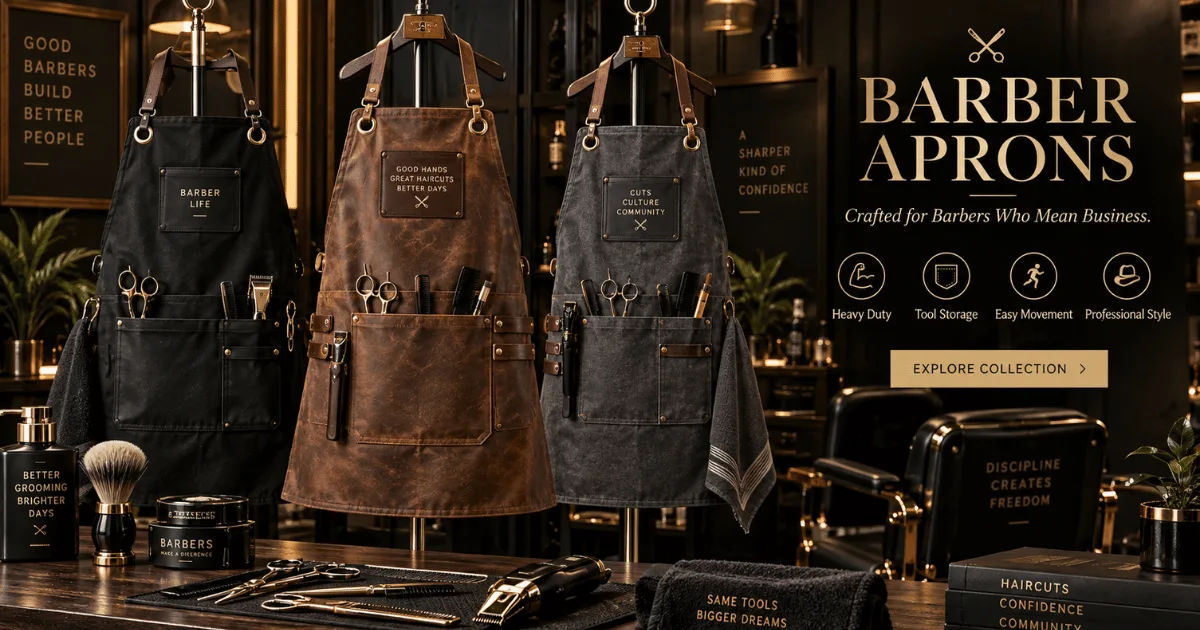
Wholesale aprons are made from many different fabrics and fabric blends. Cotton, polyester, poly-cotton blends, denim, canvas, twill, and recycled materials are among the most common choices. Each has different strengths and limitations.
The best choice depends on the working environment, the amount of washing the apron will receive, the desired appearance, and the level of protection employees need.
Common Materials Used for Custom Uniform Aprons
There is no single fabric that works for every type of uniform apron. Manufacturers use different materials because businesses have different requirements.
Some companies prioritize softness and breathability, while others need maximum durability and stain resistance. Understanding the most common options makes it easier to choose an apron that suits the job.
Cotton
Cotton is one of the most familiar apron materials. It is a natural fiber known for its softness, breathability, and comfortable feel.
Cotton aprons are particularly popular in environments where employees wear them for several hours at a time. The fabric generally feels comfortable against clothing and can be suitable for warmer working conditions.
Another advantage is appearance. Cotton can provide a clean, natural, and slightly premium look that works especially well for cafés, bakeries, restaurants, and specialty food businesses.
However, cotton can absorb liquids and stains more readily than some synthetic fabrics. It can also shrink if it is not properly treated or washed according to the manufacturer's instructions.
For businesses that value comfort and appearance, cotton can be an excellent choice.
Polyester
Polyester is a synthetic fiber commonly used for workwear because it is durable and relatively easy to maintain.
It tends to resist wrinkles better than many natural fabrics and can handle frequent washing. This makes it useful for businesses where uniforms need to look presentable throughout repeated work shifts.
Polyester can also be combined with different finishes to improve stain resistance or other performance characteristics.
One consideration is breathability. Depending on the fabric construction and weight, polyester may feel warmer than lightweight cotton. That matters in kitchens or other hot working environments.
Still, its durability and easy-care qualities make polyester a practical material for many wholesale uniform programs.
Poly-Cotton Blends
Poly-cotton is one of the most practical choices for custom uniform aprons wholesale because it combines characteristics from both cotton and polyester.
Cotton contributes softness and breathability, while polyester can improve durability, shape retention, and resistance to wrinkles.
The exact balance depends on the blend. A fabric with more cotton may feel softer and more breathable. A blend containing more polyester may emphasize durability and easy maintenance.
For businesses that want a reasonable balance between comfort, appearance, and long-term use, poly-cotton is often a strong option.
It is especially useful when a large team needs matching aprons that will be washed frequently.
Heavy-Duty Apron Materials
Some workplaces put considerably more stress on aprons than others. A casual café may need lightweight protection, while a busy commercial kitchen or workshop may require a much stronger fabric.
Canvas
Canvas is a tightly woven fabric known for its strength and durability. It is generally heavier than standard cotton apron fabric.
Canvas aprons are popular in environments where employees need a rugged workwear appearance. They can work well for chefs, baristas, craftsmen, florists, mechanics, and other professionals who benefit from durable protection.
The heavier construction can also help an apron maintain its shape.
The trade-off is weight. A heavy canvas apron may feel less comfortable than a lightweight cotton option during long shifts, particularly in hot environments.
Denim
Denim is another durable option. It provides a distinctive appearance while offering reasonable protection against everyday dirt and wear.
Denim aprons are especially popular with restaurants and cafés that want a modern, casual, or industrial-inspired uniform style.
They can also support branding well because embroidery, patches, and other customization methods can create a strong visual identity on the fabric.
Because denim is relatively substantial, it may be better suited to businesses that want durability and style rather than an extremely lightweight apron.
Twill
Twill refers to a type of weave rather than one specific fiber. Cotton, polyester, and blended fabrics can all be made using a twill construction.
The diagonal weave helps create a durable fabric that can withstand regular use. Twill is widely used in workwear because it offers a useful combination of strength, appearance, and comfort.
For wholesale uniforms, twill can be a versatile middle-ground choice.
Lightweight Materials for Comfortable Aprons
Not every workplace requires a heavy-duty apron.
In warm kitchens, outdoor food-service settings, or businesses where employees move constantly, a lightweight material may be more comfortable.
Lightweight cotton and cotton blends can provide sufficient coverage without adding unnecessary weight. Some polyester fabrics are also manufactured in lightweight constructions for improved airflow and easier movement.
When choosing lightweight fabric, it is important not to focus only on thickness. The weave, fiber composition, finishing, and overall construction can influence how the apron performs.
A very thin apron may feel comfortable but could wear out faster in demanding environments.
How Fabric Weight Affects Apron Performance
Fabric weight is another factor to consider when ordering custom uniform aprons wholesale.
A heavier fabric generally offers greater structure and can feel more durable. It may also provide better protection against everyday wear.
However, heavier does not automatically mean better.
Employees working in hot kitchens may prefer lighter aprons because excessive weight and heat can make long shifts uncomfortable.
A business should consider where the aprons will be used, how long employees will wear them, and how much physical stress the fabric will experience.
The goal is to find the right balance rather than simply choosing the thickest available material.
Are Aprons Made From Recycled Materials?
Yes. Some manufacturers use recycled polyester and other recycled fibers in apron production.
Recycled polyester is commonly produced from previously used plastic materials that are processed into fibers. Depending on the manufacturer and certification, businesses may be able to select fabrics made with recycled content.
This can be attractive to companies that want uniforms to align with broader sustainability goals.
However, businesses should look beyond general environmental claims. Ask the supplier what percentage of the fabric is recycled, what certifications apply, and how the material is manufactured.
Sustainability is not simply about the label on the fabric. Durability also matters. An apron that lasts longer and does not need frequent replacement can reduce material consumption over time.
What Materials Are Best for Restaurant Aprons?
Restaurant aprons need to balance comfort, durability, appearance, and maintenance.
Cotton can work well when comfort and breathability are priorities. Poly-cotton can provide a more balanced solution for teams that need frequent washing and everyday durability.
Canvas and denim are useful when the restaurant wants a heavier, more distinctive appearance.
The right choice also depends on the employee's role.
A server may prefer a lighter apron that allows easy movement. A chef may need a stronger fabric that can handle more demanding conditions. A barista might prioritize pockets, durability, and appearance.
This is why ordering the same fabric for every position is not always the best approach.
Why Fabric Matters for Branding
The material does more than protect clothing. It becomes part of the company's visual identity.
A well-designed apron can display a business logo, employee name, brand colors, or other identifying details.
However, the fabric needs to support the chosen decoration method.
Embroidery generally works well on fabrics with enough structure to hold stitches securely. Screen printing and other printing techniques may be more appropriate for certain lightweight materials.
Before placing a large wholesale order, it is sensible to request a sample with the intended logo or decoration.
A fabric may look excellent in a product photograph but behave differently when embroidered or printed.
How Customization Affects Material Selection
Customization should be considered before the final fabric is selected.
Businesses ordering custom uniform aprons wholesale may want embroidered logos, printed graphics, name tags, contrast stitching, multiple pockets, adjustable straps, or specific colors.
Each addition can affect the construction of the apron.
For example, a heavy embroidered logo adds weight to a small area. A pocket designed to hold tools or utensils needs stronger stitching than a simple decorative pocket.
The supplier should understand how the apron will be used before recommending a final construction.
What Should You Ask a Wholesale Apron Supplier?
Before placing a large order, ask for clear information about the material.
Find out the fiber composition, fabric weight, available colors, washing instructions, shrinkage expectations, and customization options.
It is also useful to ask whether the fabric has been treated for stain resistance or color retention.
Most importantly, request a physical sample whenever possible.
A sample lets you evaluate softness, weight, stitching, pocket placement, color, logo quality, and overall fit before committing to a large quantity.
This small step can prevent expensive mistakes.
How to Choose the Right Material for Your Business
Start with the actual working environment.
If employees work around heat, prioritize comfort and breathability. If aprons receive heavy daily use, durability becomes more important.
Next, consider cleaning requirements. Uniforms that are washed several times each week need fabric capable of handling repeated laundering.
Then consider the appearance you want.
A lightweight cotton apron can create a relaxed and approachable appearance. Denim and canvas can create a more rugged premium look. Polyester and poly-cotton can provide a practical professional appearance.
Finally, consider your budget.
The cheapest apron is not necessarily the most economical choice. If an inexpensive fabric wears out quickly, the business may spend more replacing uniforms.
A durable apron with a higher initial price may provide better value over its useful life.
How to Care for Wholesale Uniform Aprons
Even high-quality fabric can deteriorate if it is washed incorrectly.
Always follow the supplier's care instructions. Washing temperatures, drying methods, detergents, and ironing requirements can vary depending on the material and finishing.
Avoid using unnecessarily harsh cleaning products unless the manufacturer specifically recommends them.
Stains should generally be treated according to the fabric's care instructions rather than aggressively scrubbed without considering the material.
Proper care can help preserve both the fabric and the printed or embroidered branding.
Conclusion
So, what are custom uniform aprons wholesale made from? The answer depends on the type of apron and the demands of the business.
Cotton is valued for softness and breathability. Polyester offers durability and easy maintenance. Poly-cotton blends provide a useful balance between comfort and strength. Canvas and denim offer heavier construction and a distinctive workwear appearance. Twill provides another durable option, while recycled fabrics may appeal to businesses with sustainability goals.
There is no universal best material.
The ideal apron fabric is the one that fits the working environment, cleaning routine, employee comfort requirements, branding needs, and expected lifespan.
For that reason, businesses should avoid choosing aprons based only on price or appearance. Fabric composition, weight, construction, customization, stitching, and care requirements all deserve attention.
A sample order is often the smartest starting point. It allows the business to test the material in real working conditions before purchasing a larger quantity.
When these factors are considered together, custom uniform aprons wholesale can become more than a basic protective garment. They can provide practical workplace protection while creating a consistent, professional appearance that employees and customers recognize.