

Smash burgers have become a favorite among burger lovers because of their crispy edges, juicy centers, and rich beef flavor. Unlike traditional burgers, which are usually shaped into thick patties, smash burgers are pressed firmly onto a hot cooking surface. This technique spreads the meat into a thin layer, allowing more of it to develop a delicious brown crust.
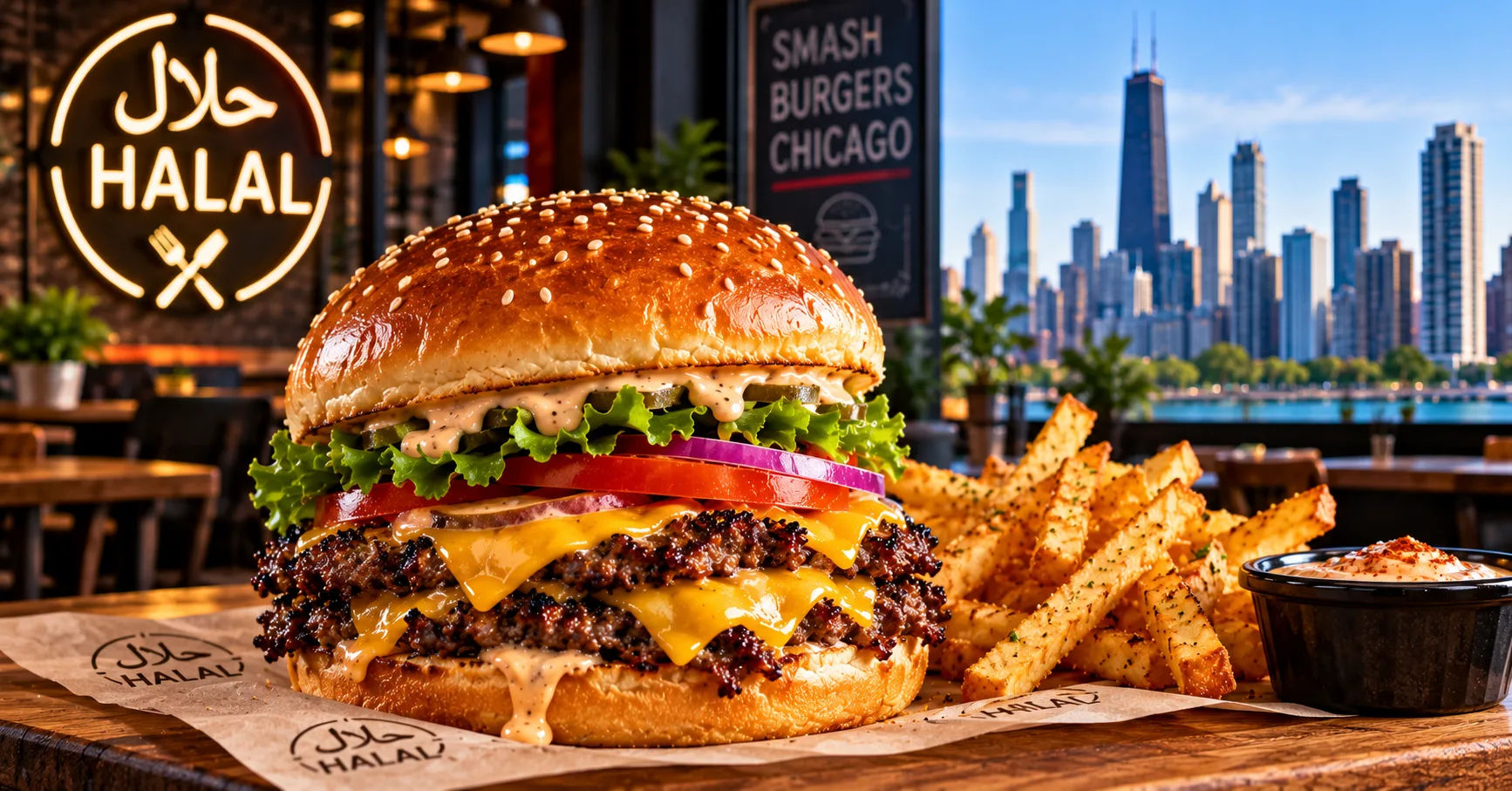
When exploring Smash Burgers in Chicago, you will find that patty thickness is an important part of the experience. Many smash burgers are noticeably thinner than classic American pub-style burgers, although their exact thickness depends on the restaurant, the size of the beef portion, and how firmly the cook presses the meat. Some are almost paper-thin around the edges, while others retain a slightly thicker center.
Chicago has a strong burger culture, with everything from neighborhood diners and independent burger shops to modern restaurants serving creative variations. Smash burgers fit naturally into this food scene because they offer intense flavor without requiring a thick patty. Their crisp texture, melted cheese, toasted buns, and carefully chosen toppings make them appealing to people who enjoy a simple but satisfying burger.
Understanding how thin these burgers are can help you know what to expect when ordering one or preparing it at home. This guide explains typical patty thickness, the cooking technique behind the crispy edges, the differences between smash burgers and traditional burgers, and the factors that influence their final texture.
How Thin Are Smash Burgers in Chicago?
Smash burgers are generally thin, often measuring approximately 3–6 millimeters at their thinnest or most evenly pressed sections before accounting for variations during cooking. However, there is no single thickness followed by every Chicago restaurant.
Some patties become thinner around the edges because the meat spreads outward during smashing. The center may remain slightly thicker, particularly when the cook uses a larger portion of ground beef.
A smash burger's finished thickness also depends on how much the meat shrinks as fat and moisture are released during cooking. Therefore, the thickness of a raw, smashed patty will not always match the thickness of the cooked burger.
Many restaurants serve two thin patties stacked together rather than one thick patty. This creates a burger with a substantial bite while preserving the crispy texture that makes the smash technique distinctive.
Typical Smash Burger Thickness
The following measurements are useful general estimates, not official standards for Chicago restaurants.
Actual measurements vary by recipe, meat portion, cooking equipment, and preparation technique. The table describes general burger styles rather than verified specifications for particular Chicago establishments.
A single thin patty can deliver plenty of flavor, but many burger shops stack two patties to create a richer, more filling meal. The advantage is that each patty develops its own browned surface, adding more crust to every bite.
Why Are Smash Burgers So Thin?
The thin shape is not an accident. It is the result of a specific cooking technique designed to maximize the amount of beef that touches the hot cooking surface.
When a ball of ground beef is placed on a hot griddle and pressed flat, its surface area increases. More of the meat comes into direct contact with the metal, encouraging browning and creating the crisp, savory crust that distinguishes a smash burger from many other burger styles.
The Smash Technique
The process begins with a loose ball of ground beef. Instead of shaping it into a thick, uniform patty before cooking, the cook places it on a hot flat-top griddle and presses it down with a sturdy spatula or burger press.
The pressure spreads the beef into a thin layer. The cook then allows the patty to brown before flipping it.
This technique is particularly effective because thin meat cooks quickly. It can develop a strong crust without leaving a large, thick center that takes much longer to cook.
Restaurants serving Smash Burgers in Chicago may adjust the pressure and patty size to suit their preferred style. Some aim for extremely thin patties with delicate, crispy edges, while others leave more thickness in the middle for a softer bite.
The Importance of the Hot Griddle
A hot griddle helps the beef brown rapidly. If the cooking surface is not hot enough, the meat may release moisture and begin steaming instead of forming a dark, flavorful crust.
Proper heat also helps create the contrast that people enjoy in smash burgers: crisp edges on the outside and a tender texture underneath.
However, extremely high heat is not always better. The cook must balance the temperature with the patty's thickness to avoid burning the exterior before the burger is cooked safely.
Why the Edges Become Crispy
As the beef spreads across the griddle, its edges become especially thin. These sections brown quickly and may develop a crunchy texture.
The browned crust forms through the Maillard reaction, a chemical process involving amino acids and reducing sugars that produces complex flavors in browned foods.
This is one reason a thin smash patty can taste more intensely beefy than a thicker patty with less browned surface area. The flavor comes from the combination of the meat itself, its seasoning, and the crust created during cooking.
Do Chicago Smash Burgers Have One or Two Patties?
Both options are common in the wider smash burger style, and Chicago restaurants may offer single- or double-patty versions depending on their menus.
A single patty provides a relatively light burger. It lets you appreciate the crispy edges without too much meat, making it suitable for a smaller meal.
A double smash burger stacks two thin patties, often with a slice of cheese between or on each patty. This creates more layers of browned beef and gives the burger a richer flavor.
Some restaurants also offer triple-patty burgers for customers who want a larger meal. These can be substantial even though each individual patty is thin.
The key distinction is that the total height of the burger does not tell you the thickness of each patty. A tall double burger may consist of two very thin patties rather than one thick piece of beef.
When ordering Smash Burgers in Chicago, check whether the listed burger includes one, two, or three patties. That detail often tells you more about the overall eating experience than the patty thickness alone.
How Do Smash Burgers Compare With Traditional Chicago Burgers?
Chicago is known for a wide range of burger styles, including classic diner burgers, pub burgers, char-grilled patties, and modern gourmet creations.
Traditional burgers are often shaped into thicker patties before cooking. Depending on the restaurant, they may be grilled, cooked on a flat-top, or prepared over an open flame.
Smash burgers follow a different approach. Their thin shape increases the amount of meat exposed to the hot cooking surface, making browning a central part of the flavor
Neither style is automatically better. Some people prefer the crunchy edges and intense browning of smash burgers, while others enjoy the thicker, meatier texture of a traditional burger.
Chicago's food scene accommodates both preferences, so the right choice depends on the experience you want.
What Affects the Thickness of a Smash Burger?
Even when two restaurants use the same cooking technique, their burgers may look and taste different. Several factors influence the final thickness.
1. The Size of the Beef Portion
The amount of ground beef used for each patty makes a difference. A smaller ball pressed over a wide area will create a thinner patty than the same amount of beef spread over a smaller area.
A larger portion can also produce a thicker center if the cook does not spread it evenly.
2. How Hard the Cook Presses
Pressure helps determine how widely the beef spreads. A firm, even press creates a thin patty, while lighter pressure may leave a thicker center.
However, repeatedly pressing the meat after the initial smash does not necessarily improve the result. It can force out fat and juices without producing a better crust.
3. The Cooking Surface
A flat, heavy griddle provides broad contact with the beef. This makes it easier to create a consistent shape and develop an even crust.
A smaller pan or an uneven cooking surface may produce less uniform results, particularly if the patty is pressed close to the edges of the cooking area.
4. The Restaurant's Preferred Style
Some restaurants specialize in very thin patties, while others prefer a slightly thicker smash-style burger.
The thickness may also vary between menu items. A restaurant might use a smaller patty for a simple cheeseburger and a larger portion for a premium or specialty burger.
5. Cooking and Shrinkage
Ground beef changes shape as it cooks. Fat renders, moisture is lost, and the meat can contract.
These changes influence the patty's final dimensions. A burger that looks thin before cooking may have a different texture and thickness after it is removed from the griddle.
For this reason, there is no single measurement that accurately describes every burger sold in the city.
Does a Thinner Smash Burger Taste Better?
A thinner patty can deliver more browned flavor because a larger proportion of its surface touches the hot griddle. For people who enjoy crispy edges and a strong beef flavor, this is a major advantage.
However, thinness alone does not guarantee a better burger.
The quality of the beef, the amount of fat, the temperature of the griddle, the seasoning, and the cooking technique all affect the result. A very thin patty can become dry or overly crisp if it is cooked too long.
A slightly thicker smash patty may retain more tenderness in the center while still developing a good crust. Some diners prefer this balance because it offers both a crispy exterior and a softer bite.
The toppings also make a difference. Melted cheese adds creaminess, pickles provide acidity, and onions contribute sweetness or sharpness, depending on how they are prepared.
Ultimately, the best thickness is the one that delivers the texture and flavor you enjoy most.
How to Make Chicago-Style Thin Smash Burgers at Home
If you want to recreate the style of Smash Burgers in Chicago in your own kitchen, you can use a simple recipe and ordinary cooking equipment.
Ingredients
For two double-patty burgers, prepare:
-
400 grams of ground beef
-
Two burger buns
-
Four slices of cheese
-
Salt and black pepper
-
Thinly sliced onions and pickles
-
Lettuce, if desired
-
Mayonnaise, ketchup, or your preferred burger sauce
Step 1: Divide the Beef
Separate the ground beef into four equal portions of approximately 100 grams each. Shape each portion into a loose ball without compressing it tightly.
Keep the beef refrigerated until you are ready to cook.
Step 2: Heat the Griddle
Place a heavy skillet or flat griddle over medium-high to high heat. Allow it to heat thoroughly, following the equipment manufacturer's guidance.
A hot surface is essential for producing the browned crust associated with smash burgers.
Step 3: Smash the Beef
Place one ball of beef on the griddle and press it firmly into a thin patty with a sturdy spatula or burger press.
Use parchment paper if necessary to prevent the meat from sticking to the press. Aim for an even shape, with edges that are thin enough to brown well.
Step 4: Cook and Flip
Season the exposed side with salt and pepper. Let the patty brown before turning it over, scraping underneath it to preserve the crust.
Add cheese after flipping and allow it to melt. Ground beef should reach an internal temperature of 71°C (160°F), checked with a food thermometer.
Step 5: Toast and Assemble
Toast the buns cut-side down on the griddle. Add your sauce, stack the cheesy patties, and finish with onions and pickles.
Serve immediately to enjoy the contrast between the crisp edges, tender meat, and soft bun.
What Should You Look for When Ordering Smash Burgers in Chicago?
When choosing a burger, consider more than just the thickness of the patty.
-
Patty count: Check whether the burger comes with one, two, or three patties.
-
Texture: Look for descriptions mentioning crispy edges, a browned crust, or thin patties if that is what you prefer.
-
Cheese and toppings: Consider whether the restaurant's combinations suit your taste.
-
Portion size: Two thin patties can make a filling meal, especially with fries or other sides.
-
Preparation: If you have dietary requirements, ask about the meat source, ingredients, and cooking procedures.
If exact thickness matters to you, ask the restaurant whether it can describe the size of its patties. Menus rarely provide precise measurements, so it is better to ask than to assume every establishment follows the same standard.
Keep in mind that a restaurant's use of the term smash burger describes its cooking style, not necessarily a standardized patty thickness.
Conclusion
Smash burgers are generally much thinner than traditional burger patties, with many measuring around 3–6 millimeters in their thin, evenly pressed sections before cooking changes their shape. However, there is no universal thickness standard, and individual restaurants may use different portion sizes and techniques.
The reason these burgers are so thin is simple: pressing the beef onto a hot griddle increases its contact with the cooking surface. This encourages browning, creates crispy edges, and develops the rich flavor that makes the smash burger distinctive.
When exploring Smash Burgers in Chicago, remember that a thin patty is only one part of the experience. The quality of the beef, the number of patties, the cooking temperature, and the choice of toppings all contribute to the finished burger. Two thin patties stacked together can provide a satisfying meal while retaining the crisp texture that many burger enthusiasts love.
If you prefer a crunchy exterior, a strong beef flavor, and a relatively thin bite, a classic smash burger may be an excellent choice. If you prefer a softer, meatier center, you might enjoy a slightly thicker version or a traditional pub-style burger instead.
You can also recreate the style at home with fresh ground beef, a heavy skillet, and a sturdy spatula. Press the beef firmly when it first reaches the hot surface, allow a crust to form, and avoid repeatedly pressing the patty during cooking. Use a thermometer to ensure the meat reaches a safe internal temperature.
Ultimately, the appeal of Smash Burgers in Chicago comes from the combination of technique, texture, and flavor rather than a precise measurement. Understanding how thin the patties are and why that thickness matters will help you choose a burger that matches your preferences and appreciate what makes this cooking style special.

Leave a Reply