

Packaging plays an important role in how customers recognize, handle, and trust a product. It must look attractive, communicate a brand's identity, and protect the contents from damage or contamination. Unicorn packaging is an interesting example of how creative presentation can work alongside practical protection. By combining thoughtful shapes, suitable materials, secure closures, and appealing graphics, packaging designers can create products that look impressive without compromising essential safety requirements. 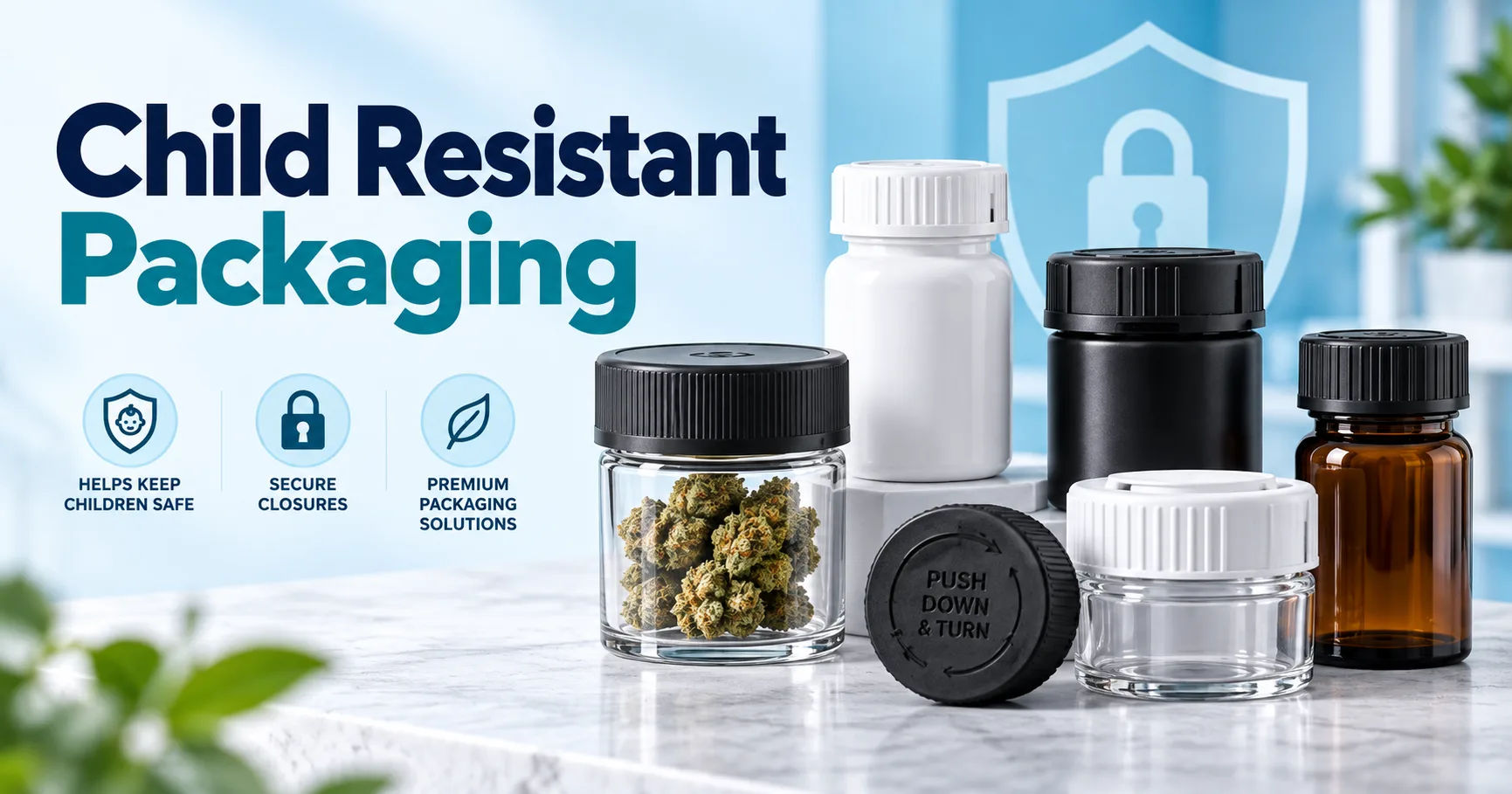 For brands selling drinks, personal care products, and other consumer goods, finding this balance is especially important. beverage bottles demonstrate why packaging needs to do more than attract attention. They must hold liquids securely, remain easy to handle, and help maintain product quality throughout storage, transportation, and use. Their appearance can influence purchasing decisions, but their safety features determine whether customers can use them confidently.
Unicorn packaging can bring a distinctive visual identity to a product while following practical design principles. Whether a business chooses colorful illustrations, unusual shapes, premium finishes, or customized labels, every element should serve a purpose. Understanding how design and safety work together helps businesses develop packaging that appeals to customers, protects products, and supports long-term brand success.
Unicorn Packaging and Its Purpose
Unicorn packaging refers to packaging designed around a distinctive, imaginative, or playful visual theme. Depending on the product and brand, this style may include bright colors, rainbow patterns, fantasy-inspired illustrations, metallic finishes, and creative structural elements.
The term can also refer to a particular packaging style or commercial design offered by a supplier. Therefore, its exact materials, construction, and safety capabilities depend on the specific product being developed.
The main objective is to create packaging that stands out while meeting the practical needs of the product inside. Attractive packaging can encourage customers to explore a product, but it must also protect the contents and provide a reliable user experience.
Why Design Matters in Packaging
Design is often the first thing customers notice when they encounter a product. Color, typography, shape, and surface finish can communicate whether a product is playful, luxurious, modern, or environmentally conscious.
For example, a beverage brand targeting younger consumers might use colorful artwork and rounded shapes. A premium drink brand may prefer a clean label, understated colors, and a refined finish.
Both approaches can be effective when they reflect the intended audience and product identity.
Good design also improves usability. Clear labels, comfortable grips, readable instructions, and recognizable opening mechanisms help customers understand how to handle a product.
Why Safety Must Remain a Priority
Packaging safety involves much more than preventing a container from breaking. It includes material suitability, secure closures, contamination prevention, resistance to leakage, and protection during distribution.
A package may look beautiful but still fail if its cap loosens during transportation or its material reacts with the product.
This is why manufacturers should assess safety requirements early in the design process rather than treating them as finishing details.
How Unicorn Packaging Combines Visual Appeal With Protection
Balancing appearance and protection requires designers to consider the complete packaging system. The container, closure, label, protective layer, and outer packaging must work together.
A strong design does not force businesses to choose between attractiveness and reliability. Instead, it uses creative features that support both goals.
Choosing Materials That Support Both Goals
Material selection affects the appearance, strength, weight, and performance of packaging. Glass, plastic, paperboard, and metal each offer different advantages, depending on the intended application.
Glass can provide a premium appearance and resist many forms of chemical interaction with beverages. However, it can break when dropped and may require protective shipping materials.
Suitable food-contact plastics can reduce weight and resist impact, although the correct resin and construction must be selected for the product and its storage conditions.
Paperboard works well for outer cartons, sleeves, and presentation boxes. It can support colorful printing and premium finishes, but it is not automatically suitable for direct contact with liquids.
Designers should evaluate material performance alongside visual quality. The best choice is the one that meets the product's safety needs while supporting the intended brand image.
Creating Attractive Shapes Without Sacrificing Strength
Unusual shapes can make packaging recognizable. Curved edges, decorative contours, embossed patterns, and distinctive silhouettes may help a product stand out on a crowded shelf.
However, every structural change can affect strength, stability, grip, or manufacturing consistency.
A bottle with an unusually narrow base, for example, may be more likely to tip over. A container with sharp decorative edges could become uncomfortable to hold.
Designers should evaluate how the package performs when filled, stored, transported, opened, and used. Prototypes can reveal problems before mass production begins.
Using Colors and Finishes Responsibly
Colorful artwork, holographic effects, metallic accents, and textured surfaces can give unicorn packaging a distinctive appearance.
These decorative features should not interfere with product information, safety instructions, or the ability to identify the contents.
Labels must remain readable under normal lighting conditions. Important information should not disappear against complex backgrounds or become difficult to understand because of decorative typography.
Finishes and inks should also be appropriate for the packaging application. For food and beverage products, manufacturers need to consider the possibility of ink migration and ensure that materials are used in accordance with applicable requirements.
The Importance of Safety in Beverage Bottles
Beverage packaging illustrates the relationship between attractive design and functional protection particularly well. Consumers expect containers to look appealing, remain comfortable to use, and protect their drinks from external contamination.
These expectations apply to water, juices, soft drinks, flavored beverages, and many other liquid products.
Selecting Appropriate Food-Contact Materials
Materials used in beverage containers must be suitable for the specific drink they will hold. Acidity, carbonation, temperature, storage duration, and other product characteristics can affect material performance.
Manufacturers should verify that containers and closures comply with the food-contact requirements applicable to their target markets.
They should also consider whether the package is intended for refrigerated storage, room-temperature distribution, hot filling, or another process.
A material suitable for one drink may not perform equally well with another product or processing method.
Designing Secure Closures
Closures are essential for preventing leaks and protecting product quality. Caps, lids, liners, and seals must work correctly with the container's neck and opening.
For beverage bottles, the closure design should account for handling, transportation, and the pressure created by carbonated drinks when relevant.
Tamper-evident features can help customers recognize whether a package may have been opened before purchase. However, tamper evidence and child resistance serve different purposes and should not be confused.
A decorative cap may enhance a product's appearance, but it must not compromise the seal or make safe opening unnecessarily difficult.
Preventing Leakage and Contamination
Leakage can damage shipping cartons, waste inventory, and reduce customer confidence. Contamination can create more serious quality and safety concerns.
Manufacturers can reduce these risks by testing closure performance, container integrity, and compatibility between the packaging components.
Quality checks should reflect the product's actual distribution conditions. This may include vibration, temperature changes, pressure variations, and handling during delivery.
Packaging should also be stored and assembled in hygienic conditions appropriate to the product.
Balancing Creative Design With Practical Usability
A successful package must work for the person using it. Designers should consider how customers hold, open, pour from, store, and dispose of the package.
Even an attractive design can become frustrating if the cap is difficult to remove or the container slips easily from the hand.
Making Packaging Comfortable to Handle
Ergonomic design focuses on how a product fits into the user's hands and daily activities.
Rounded edges, balanced proportions, suitable grip surfaces, and reasonable weight can improve comfort. These features are particularly useful for containers that customers carry while traveling, exercising, or working.
The size of the opening also matters. A container should support its intended use without creating unnecessary spills or handling difficulties.
For products intended for children, older adults, or people with limited hand strength, designers may need to consider additional accessibility requirements.
Keeping Product Information Easy to Read
Packaging provides an important communication channel between a business and its customers.
Labels may need to identify the product, list ingredients, display allergens, provide storage instructions, show expiration or best-before information, and communicate other legally required details.
Creative graphics should support this information rather than compete with it.
A useful approach is to establish a clear visual hierarchy. The product name can be prominent, supporting details can appear in an organized layout, and essential warnings can remain easy to locate.
Clear communication contributes to both customer satisfaction and safe product use.
Designing for Storage and Transportation
Packaging must perform well beyond the retail shelf. Products may pass through warehouses, delivery vehicles, distribution centers, and multiple handling stages before reaching consumers.
Stable bases, suitable wall thicknesses, reliable closures, and protective outer cartons can reduce damage during these stages.
Unusual packaging shapes should be evaluated for stacking efficiency and space requirements. A design that looks impressive but wastes shipping space may increase transportation costs.
Careful structural planning helps businesses preserve their visual identity without creating unnecessary logistical problems.
The Role of Testing and Quality Control
Packaging designers cannot establish safety through appearance alone. Testing is necessary to determine whether the finished package performs as intended.
The appropriate tests depend on the product, materials, closure system, manufacturing process, and distribution environment.
Testing Structural Strength
Strength testing helps determine whether packaging can withstand expected forces during normal use and distribution.
Depending on the application, evaluations may include drop tests, compression tests, impact assessments, and checks for deformation.
For beverage containers, these tests can help identify weak areas that could lead to breakage or leakage.
Testing should reflect realistic conditions rather than relying on visual inspection alone.
Checking Closure and Seal Performance
Closure testing helps confirm that caps, lids, and seals remain functional during handling and storage.
Manufacturers may evaluate leakage, opening and closing performance, seal integrity, and resistance to loosening. Carbonated products may require additional attention to internal pressure.
Results should be compared with defined acceptance criteria so that quality decisions remain consistent.
If a decorative feature interferes with closure installation or inspection, the design should be adjusted before production.
Verifying Material Compatibility
Material compatibility testing evaluates whether the package remains suitable for contact with its intended contents.
Factors may include temperature, acidity, storage duration, chemical migration, and interactions between the product and packaging components.
Food and beverage applications may require specific testing or documentation under relevant regulations.
Businesses should obtain appropriate material specifications and compliance information from suppliers instead of assuming that a material is safe simply because it is commonly used.
Maintaining Consistent Manufacturing Standards
A successful prototype does not guarantee that every production unit will be identical.
Manufacturing controls help ensure that dimensions, wall thicknesses, seals, labels, and other critical features remain consistent across production batches.
Regular inspections, documented procedures, supplier evaluations, and corrective actions can reduce the risk of defects.
Quality control should continue throughout the product's commercial life, especially when materials, suppliers, or production methods change.
Customization Without Compromising Safety
Customization allows businesses to create packaging that reflects their identity. It may involve personalized labels, special colors, printed illustrations, embossed details, or customized outer cartons.
These features can help distinguish a product from competitors, but every change should be assessed for its practical consequences.
Using Branding Elements Effectively
Branding works best when customers can recognize the product quickly. A consistent color palette, memorable logo, and clear typography can create a recognizable visual identity.
Decorative details should support the main message rather than overwhelm the package.
For example, a drink brand might use rainbow artwork on a label while retaining a simple bottle shape, a secure closure, and clearly presented ingredient information.
This approach allows the brand to express creativity without introducing unnecessary structural complexity.
Choosing Safe Decorative Components
Additional components, such as sleeves, stickers, ribbons, and ornamental attachments, should be suitable for their intended use.
Designers need to consider whether these additions could detach, obstruct opening, cover important information, or interfere with recycling.
For products intended for children, small detachable decorations may introduce additional hazards and should receive appropriate assessment.
Customization should improve the overall product experience rather than introduce risks that are difficult to manage.
Understanding Child-Resistant and Tamper-Evident Features
Some products require special packaging features because of their contents or the regulations governing their sale.
Child-resistant packaging is designed to make access more difficult for young children while remaining usable by the intended adult population. Tamper-evident packaging helps show whether a product may have been opened or altered.
These functions are not interchangeable. Neither should be assumed to exist merely because a package has a tight cap or an unusual design.
When required, the finished packaging system must meet the relevant performance standards and testing requirements. Aesthetic customization should never replace those protections.
Sustainability and Responsible Packaging Design
Environmental considerations are increasingly important in packaging decisions. Businesses may want to reduce material use, improve recyclability, or select packaging that supports reuse.
However, sustainability and safety must be evaluated together.
Reducing Unnecessary Material
Lightweight packaging can reduce material consumption and may lower transportation impacts. Yet removing too much material can weaken the container and increase breakage or leakage.
The goal is to use the amount of material needed to protect the product throughout its expected life cycle.
Structural testing helps determine whether a lighter design can still meet performance requirements.
Improving Recyclability
Packaging is generally easier to recycle when its materials and components are compatible with available recycling systems.
Using compatible labels, limiting unnecessary decorative layers, and designing removable components where appropriate can help.
For beverage bottles, material selection should consider the recycling infrastructure available in the intended market. A package that is technically recyclable may not be widely accepted by local collection systems.
Clear disposal instructions can also help customers make informed decisions.
Considering Reuse and Product Protection
Reusable packaging can reduce waste when containers are designed, cleaned, and handled appropriately.
However, reuse introduces additional considerations, including durability, cleaning requirements, closure performance, and the suitability of the container for repeated contact with the product.
A container intended for single use should not automatically be presented as safe for repeated use. Manufacturers should communicate the intended use clearly.
Common Mistakes to Avoid When Designing Unicorn Packaging
Several avoidable mistakes can undermine the balance between design and safety.
Prioritizing Appearance Over Performance
One common mistake is selecting a package based only on its shelf appeal. Attractive graphics cannot compensate for a weak container, an unreliable seal, or unsuitable materials.
Businesses should establish performance requirements before finalizing decorative details.
Overcomplicating the Structure
Unusual shapes and multiple decorative components can increase manufacturing complexity and create more opportunities for defects.
Every added feature should have a clear purpose. Simplifying the structure may improve reliability while preserving the brand's distinctive appearance.
Ignoring Regulatory Requirements
Packaging rules vary according to the product and the market where it is sold.
Food-contact requirements, labeling laws, child-resistant packaging standards, and recycling rules may all affect design decisions.
Businesses should identify applicable requirements early and obtain qualified regulatory guidance when necessary.
Skipping Testing Before Launch
Moving directly from a design concept to mass production can lead to expensive problems.
Prototypes, compatibility assessments, closure checks, and distribution testing help identify weaknesses before large quantities are manufactured.
Testing early may require additional time, but it can reduce product waste, returns, complaints, and costly redesigns.
A Practical Process for Developing Safe and Attractive Packaging
Businesses can follow a structured process to balance creativity with reliable performance.
First, define the product requirements. Identify the contents, storage conditions, target audience, intended use, distribution method, and applicable regulations.
Second, establish the visual direction. Choose colors, typography, graphics, shapes, and finishes that match the brand and appeal to the intended customer.
Third, select suitable materials and closures. Evaluate strength, compatibility, sealing performance, weight, and environmental considerations.
Fourth, create and test prototypes. Assess appearance, usability, durability, leakage resistance, and performance under realistic conditions.
Fifth, review compliance and labeling. Confirm that required information is present, readable, and accurate.
Finally, monitor production quality. Establish inspection procedures, document results, and review customer feedback to identify opportunities for improvement.
This process allows designers, engineers, manufacturers, and brand teams to work toward the same objective: attractive packaging that performs reliably.
Conclusion
Unicorn packaging demonstrates how distinctive visual design can work alongside the practical demands of product protection. Bright colors, imaginative illustrations, unusual shapes, and premium finishes can help a product stand out, but these elements should always support the package's primary purpose.
The most effective designs begin with an understanding of the product, the customer, and the conditions the package must withstand. Material selection, closure performance, structural strength, readable labeling, and appropriate testing are essential parts of that process.
The same principles apply to beverage bottles, where attractive presentation must be supported by food-contact suitability, reliable seals, convenient handling, and protection during transportation. A creative appearance is valuable only when the container also performs its intended function.
Businesses should also consider sustainability, customization, regulatory compliance, and manufacturing consistency from the beginning. These factors can influence the success of a package long after its first appearance on a retail shelf.
Ultimately, balancing design and safety requires collaboration between creative teams and technical specialists. By testing ideas carefully, selecting appropriate materials, and maintaining strong quality controls, businesses can develop packaging that earns customer attention without sacrificing reliability. The result is a more trustworthy product, a stronger brand identity, and a better experience for customers.

Leave a Reply