
Yes, door to door car shipping can be a safe and practical way to transport a vehicle, provided you choose a legitimate carrier, understand the insurance coverage, and properly document your car before pickup. The service itself is not inherently more dangerous than terminal-to-terminal transport. In many cases, it can actually make the process easier because the vehicle is collected from a convenient location and delivered closer to your destination.
The bigger safety question is not simply whether door-to-door transportation is safe. It is who is transporting your vehicle, how the vehicle is loaded and secured, what insurance applies, and how carefully you prepare for the shipment.
A reputable auto transport company should be properly registered where required, use appropriate equipment, follow transportation regulations, and provide clear documentation. In the United States, interstate auto transporters and brokers can be checked through the Federal Motor Carrier Safety Administration (FMCSA), which advises consumers to verify registration and distinguish between brokers and actual carriers.
What Is Door to Door Car Shipping?
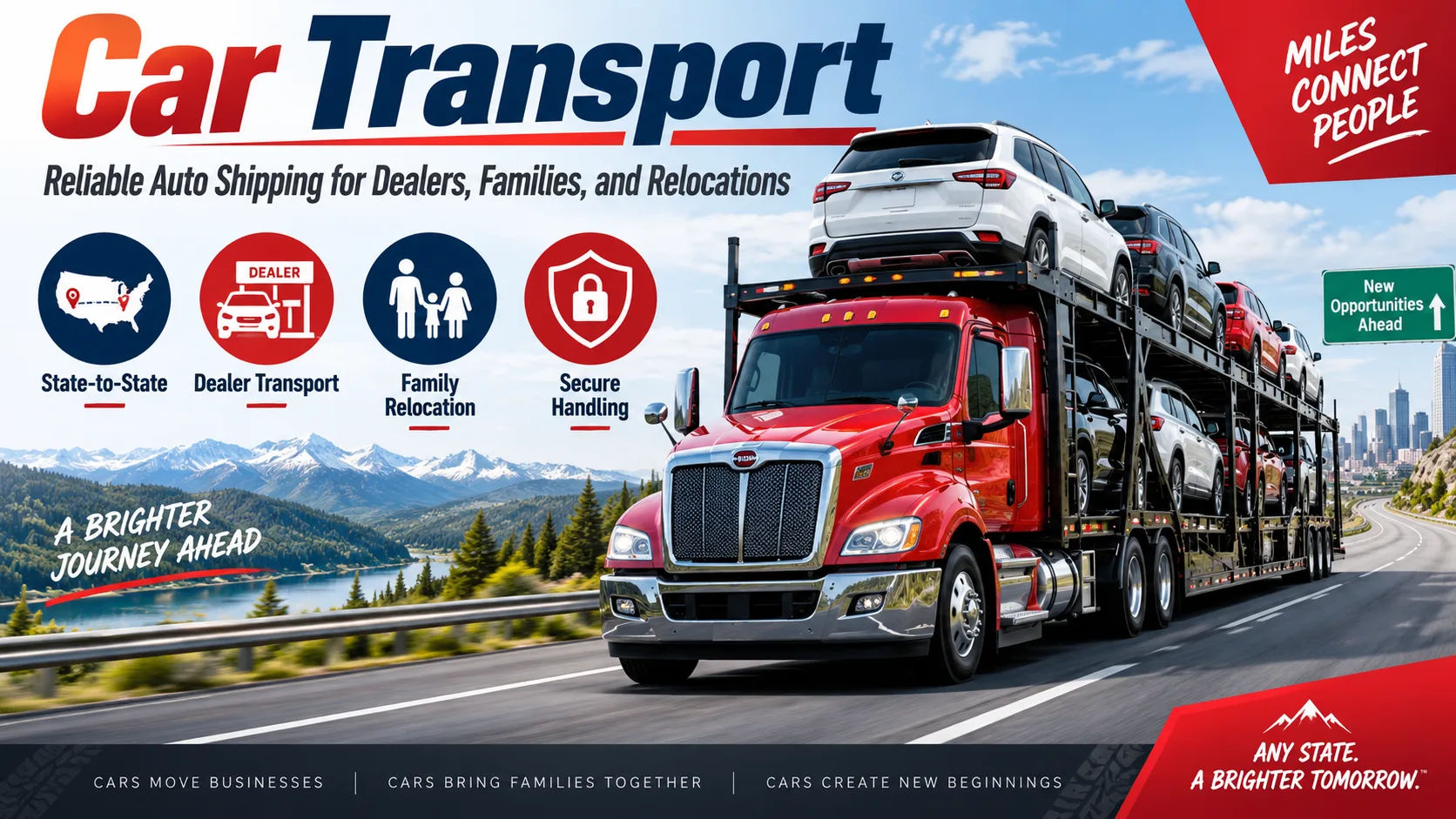
Door-to-door car shipping is a vehicle transportation service in which the carrier collects your car from a location near your requested pickup address and transports it to a location near your destination.
The phrase "door to door" does not always mean that a large car carrier will literally pull into your driveway. Streets may be too narrow, local restrictions may prevent large trucks from entering, or there may not be enough space for the carrier to safely maneuver.
In those situations, the driver may meet you at a nearby parking lot, wider street, commercial area, or another accessible location.
The important point is that the service is designed to minimize unnecessary travel to and from shipping terminals.
How the Process Works
The process generally begins with a quote and booking. You provide information about the vehicle, pickup location, destination, preferred dates, and any special requirements.
The company then arranges transportation. Depending on the business model, the company you contact may be the actual carrier or a broker that finds a carrier for you.
At pickup, the driver inspects the vehicle and records its existing condition. Your car is then loaded onto the transport trailer and secured for the journey.
Once the vehicle reaches its destination, another inspection is performed before you accept delivery.
This process creates a record of the vehicle's condition before and after transportation, which can become important if damage is discovered.
Why Door to Door Car Shipping Can Be Safe
A properly managed shipment involves several safeguards that reduce the likelihood of damage.
Your vehicle is not simply handed over to an unknown driver and driven across the country without documentation. Professional transportation normally involves booking information, pickup instructions, vehicle inspection, transportation equipment, and delivery confirmation.
The quality of those safeguards, however, depends heavily on the company you select.
Professional Loading Reduces Risk
One major advantage of professional vehicle transportation is that the carrier uses equipment specifically designed to move cars.
Vehicles are loaded onto a trailer and secured before transportation. Experienced drivers also understand how to handle vehicle clearance, trailer movement, road conditions, and loading procedures.
That can be considerably safer than asking someone to drive a vehicle hundreds or thousands of miles simply because it needs to reach another state.
Less Road Mileage on Your Vehicle
Another advantage is that your vehicle does not need to accumulate all the mileage associated with a long-distance road trip.
This can matter when moving a relatively new vehicle, a collector car, a luxury vehicle, or a vehicle that you simply do not want to drive across several states.
The vehicle still travels on the road, of course, but much of the journey is handled by the transport carrier rather than the vehicle itself.
Door-to-Door Service Is Convenient
Convenience also has a safety component.
If you had to take your car to a distant terminal, you would need to drive it there and arrange transportation afterward. The same applies at the destination.
With door-to-door service, the vehicle can often be collected and delivered much closer to the locations you actually need.
That reduces extra driving and makes the entire process easier to coordinate.
The Biggest Risks to Consider
Although professional auto transportation can be safe, no transportation method is completely risk-free.
Cars can experience damage from road debris, weather, loading procedures, accidents, improper securing, or handling mistakes. Delays can also occur because of traffic, mechanical problems, weather, or changes in transportation schedules.
There is another risk that is sometimes more significant: choosing an unreliable company.
Choosing a Poorly Qualified Carrier
The company offering the cheapest quote is not necessarily the safest choice.
A low price may be legitimate, but an unusually low estimate can sometimes indicate that the quote does not accurately reflect the cost of transporting the vehicle.
For interstate transportation in the United States, FMCSA provides registration and insurance information that consumers can use when evaluating transportation companies. FMCSA specifically recommends checking the registration of auto transporters and brokers.
This is one of the simplest checks you can perform before handing over your vehicle.
Confusing a Broker With a Carrier
A broker and a carrier are not necessarily the same business.
A broker arranges transportation with a carrier, while the carrier is the company actually moving the vehicle.
There is nothing inherently unsafe about using a broker. The important thing is knowing which type of company you are dealing with and understanding who will actually transport your car.
FMCSA advises consumers to be cautious when a website does not clearly identify whether the business is an auto transporter or an auto transport broker.
Is Your Car Insured During Shipping?
Insurance is one of the most important questions to ask before booking.
Do not simply accept a statement that your vehicle is "fully insured." Ask what coverage applies to your vehicle while it is being transported, what exclusions exist, and how claims are handled.
Federal transportation rules establish financial responsibility requirements for regulated motor carriers, although the applicable requirements depend on the type of carrier and operation. FMCSA maintains information about insurance filings and financial responsibility requirements.
It is also important to understand that liability insurance and cargo coverage are not necessarily the same thing.
Ask the company for specific information about coverage for your vehicle rather than relying on a general promise.
Ask About Deductibles and Exclusions
Even when coverage exists, there may be deductibles or circumstances where the carrier's policy does not pay for certain types of damage.
Ask whether existing damage is excluded, whether personal belongings are covered, and whether modifications or aftermarket equipment require special documentation.
If you have an expensive vehicle, customized car, classic automobile, or unusually valuable equipment, ordinary coverage may not be sufficient for your particular situation.
How to Make Door to Door Car Shipping Safer
The customer has an important role in reducing risk.
Choosing a legitimate company is the first step, but preparation before pickup can make a significant difference.
Research the Company
Check the company's registration where applicable and investigate its reputation.
Look beyond testimonials displayed directly on the company's website. Look for consistent customer experiences, complaints, communication problems, damage reports, and billing issues.
A professional company should also be willing to answer straightforward questions about the transportation process.
Verify Insurance Information
Ask for current insurance information and determine what it actually covers.
Do not assume that a company's general liability policy automatically means every type of vehicle damage is covered.
The FMCSA maintains information concerning insurance filings for regulated carriers, and its systems can be used to review carrier information.
Remove Personal Belongings
Before handing over your car, remove unnecessary personal items.
This includes valuables, important documents, electronics, loose equipment, and anything that could move around inside the vehicle.
Transport companies may have restrictions concerning personal belongings, and those items may not receive the same protection as the vehicle itself.
Photograph the Vehicle
This is one of the simplest and most valuable precautions.
Take clear photographs of the exterior from multiple angles before the driver takes possession of the car.
Photograph existing scratches, dents, paint imperfections, cracked glass, wheels, bumpers, lights, and other noticeable conditions.
If possible, take photographs in good lighting.
You should also keep these images until the vehicle has been delivered and inspected.
Inspect the Vehicle at Pickup
The driver should inspect the vehicle's existing condition and document it.
Read the inspection report before signing it.
Make sure existing damage is accurately recorded rather than assuming that photographs alone will resolve every dispute.
Inspect the Vehicle at Delivery
Do not rush through the delivery inspection.
Walk around the entire vehicle and compare its condition with the pickup documentation.
Check the body panels, bumpers, mirrors, wheels, windows, lights, and other visible areas.
If you discover new damage, document it immediately and follow the carrier's claim procedure.
What Does Door to Door Actually Mean?
One common misunderstanding is that door-to-door transportation guarantees driveway delivery.
It usually does not.
A transport truck may be much larger than an ordinary vehicle, and residential streets can have low branches, parked cars, tight corners, narrow lanes, or weight restrictions.
A responsible driver will not risk an accident simply to stop directly outside your house.
Instead, the driver may select the safest accessible location nearby.
This is normal and does not necessarily indicate that the company failed to provide door-to-door service.
Open vs. Enclosed Transportation
The type of trailer can also influence the level of protection.
Open transport is generally the more common option. Vehicles are transported on an open trailer and exposed to normal road and weather conditions.
This does not automatically make open transportation unsafe. Millions of vehicles are moved this way.
Enclosed transport places vehicles inside a covered trailer and offers additional protection from weather and road debris.
It can be particularly attractive for classic, exotic, luxury, collectible, or highly customized vehicles.
The right option depends on the value and condition of your vehicle as well as your budget.
What Should You Avoid?
Be cautious if a company refuses to provide basic information about its identity, registration, insurance, or transportation arrangements.
You should also be careful with pressure tactics.
If someone insists that you pay immediately, refuses to provide written terms, changes the price dramatically without explanation, or avoids answering questions about who will actually transport your car, consider looking elsewhere.
FMCSA has specifically warned consumers about deceptive practices involving auto transporters and brokers and recommends verifying the company's credentials.
A professional company should not make reasonable questions feel unreasonable.
Is Door to Door Car Shipping Safer Than Driving the Car Yourself?
That depends on the circumstances.
For a short trip, driving your vehicle yourself may be perfectly practical.
For a cross-country move, however, transportation can save you from putting hundreds or thousands of miles on the vehicle and spending additional money on fuel, hotels, meals, and road expenses.
It can also eliminate the fatigue associated with a very long drive.
The important consideration is choosing a reputable transportation provider rather than assuming that every shipping company provides the same level of service.
Conclusion
So, door to door car shipping is generally safe when you use a reputable, properly qualified carrier and take sensible precautions before, during, and after transportation.
The service itself is not the primary source of risk. The quality of the carrier, transportation equipment, insurance arrangements, documentation, and communication usually matter much more.
Before booking, verify the company, understand whether you are dealing with a broker or carrier, ask detailed questions about insurance, and make sure the terms of transportation are documented.
Before pickup, remove personal belongings and photograph the vehicle carefully. At pickup, review the inspection report. At delivery, inspect the vehicle before completing the process.
For U.S. interstate shipments, FMCSA provides tools and information that can help consumers verify carrier and broker registration and review relevant insurance information.
Ultimately, safe vehicle transportation comes down to preparation and choosing the right provider. Door-to-door service can be convenient, efficient, and dependable, but it should never be treated as a service where you simply hand over your keys and stop asking questions. A little research before the vehicle leaves can make the entire shipping experience considerably more predictable.