
Yes, leather coats for men can be worn with suits, and when styled correctly, they can create a polished, confident, and modern appearance. The key is choosing the right leather coat, suit, colors, and accessories so the outfit looks intentional rather than overly casual. Brands such as Pelle Pelle have helped make leather outerwear a popular choice for men who want to combine classic tailoring with a stronger contemporary edge.
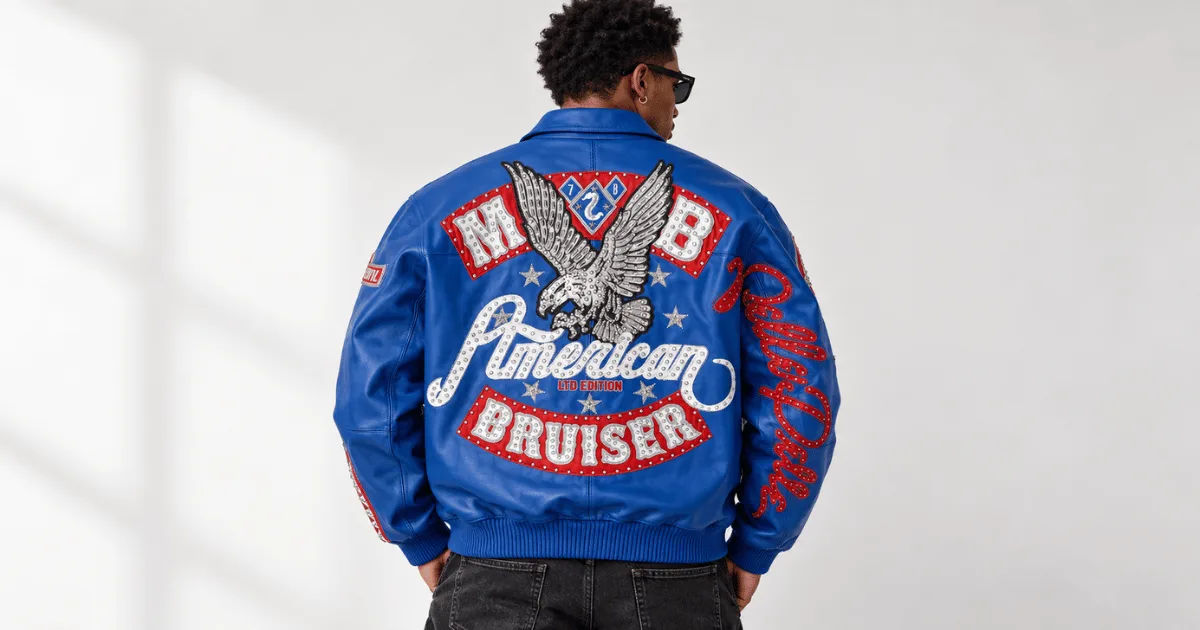
A leather coat can provide warmth and protection while adding character to formal clothing. However, not every leather coat works well with every suit. The cut, length, color, leather finish, and overall design all affect how successfully the pieces work together.
This guide explains how to wear leather coats with suits, which styles work best, what mistakes to avoid, and how to create a balanced outfit for different occasions.
Why Wear a Leather Coat Over a Suit?
A suit already provides a structured and professional appearance. Adding a leather coat introduces a different texture and personality to the outfit.
Leather has a naturally strong visual presence. Its smooth or slightly textured surface can contrast nicely with the softer fabric of a wool or wool-blend suit.
The combination can also be practical. During colder months, a suit jacket alone may not provide enough protection. A leather coat can act as an outer layer without forcing you to sacrifice style.
The important point is that the leather coat should complement the suit rather than compete with it. A simple, well-fitted design is usually more effective than one covered in excessive zippers, patches, or decorative details.
What Type of Leather Coat Works Best With a Suit?
Not every leather coat is suitable for formal clothing. Some styles are designed primarily for casual outfits, while others have a cleaner structure that makes them easier to combine with tailoring.
Long Leather Coats
Long leather coats are among the best choices for wearing over a suit. Their length provides enough coverage for the suit jacket and creates a smooth visual line.
A coat that reaches around the knee can look particularly sophisticated. It also provides useful protection during cold and windy weather.
A long leather coat in black, dark brown, or another muted shade can work well with business suits because these colors generally appear more formal.
Leather Trench Coats
Leather trench coats can create a stylish and mature appearance when worn over a suit. Their structured shoulders and longer length naturally complement traditional tailoring.
A simple leather trench coat can work particularly well for business settings where a standard wool overcoat might otherwise be expected.
The design should remain relatively clean. Avoid excessive buckles and unnecessary decorative features if the goal is a professional appearance.
Leather Overcoats
Leather overcoats are another excellent option. They are generally more understated than motorcycle jackets and provide enough room to fit comfortably over a suit.
This style can create a sophisticated combination of traditional and modern fashion.
A brand such as Pelle Pelle may appeal to men who want leather outerwear with a distinctive appearance, but the specific coat should still be selected according to the formality of the suit and occasion.
Short Leather Jackets
Short leather jackets are more difficult to pair with suits. A traditional bomber or motorcycle jacket usually creates a casual appearance that can conflict with formal tailoring.
That does not mean the combination is impossible. It simply works better in relaxed environments, creative workplaces, dinners, or social events rather than highly formal business settings.
If you choose a short leather jacket, keep the rest of the outfit simple and refined.
How Should the Leather Coat Fit Over a Suit?
Fit is one of the most important factors in this combination.
A leather coat should be large enough to comfortably accommodate your suit jacket. If it is too tight, the shoulders may look restricted and the sleeves can bunch together.
At the same time, an oversized coat can make the entire outfit look unstructured.
Pay particular attention to the shoulders. The coat should sit naturally without pulling across the upper back or restricting your arms.
The sleeves should also be long enough to cover the suit jacket sleeves. You generally do not want several inches of the suit sleeve extending beyond the leather coat.
Length matters as well. Ideally, the coat should provide enough coverage to make the suit look intentional underneath it.
Choosing the Right Color Combination
Color coordination can make or break this outfit.
Black leather is one of the easiest choices because it works with many suit colors. A black leather coat can be worn with charcoal, navy, black, and other dark suits.
Dark brown leather can also look excellent with navy, charcoal, gray, and certain earth-tone suits. Brown creates a warmer appearance than black and can make an outfit feel slightly less formal.
If your suit has a bold pattern, choose a relatively simple leather coat. This prevents the outfit from becoming visually overwhelming.
Black Leather With a Navy Suit
A black leather coat over a navy suit creates a modern and sophisticated contrast.
The combination works particularly well with a white shirt and black or dark brown shoes. A simple tie can complete the outfit without adding unnecessary visual weight.
Brown Leather With a Navy Suit
Brown leather and navy tailoring create a classic combination. The warmer leather color provides contrast while maintaining a refined appearance.
Brown dress shoes can help connect the coat and suit visually.
Black Leather With a Gray Suit
Gray and black are another reliable pairing. A charcoal suit with a black leather coat can look particularly sharp during autumn and winter.
A white shirt and understated tie can keep the outfit appropriate for professional environments.
Can You Wear a Leather Coat With a Business Suit?
Yes, but the formality of the workplace matters.
In a traditional corporate environment, a leather coat may not be the safest choice. A classic wool overcoat will usually be more conservative.
However, workplaces with modern or business-casual cultures may allow leather outerwear. In these environments, a simple and elegant leather coat can work very well.
Choose a design with minimal decoration and a dark, neutral color. The cleaner the coat, the easier it is to integrate into a professional wardrobe.
A refined Pelle Pelle leather coat can add personality, but it should still be balanced with a conservative suit, shirt, and shoes if you are dressing for work.
Can You Wear a Leather Coat With a Formal Suit?
The answer depends on what you mean by formal.
For a standard business suit worn to a dinner, meeting, or evening event, a sophisticated leather overcoat may work.
For highly formal occasions such as black-tie events, leather outerwear is generally not the traditional choice. A tuxedo should normally be paired with formal outerwear designed for that level of dress.
Leather can be stylish, but it does not automatically make an outfit formal. The overall design and setting determine formality.
What Shirt Should You Wear?
The shirt should usually remain simple.
A crisp white dress shirt is one of the safest choices. Light blue can also work well with navy, gray, and black suits.
If the leather coat already has a strong appearance, avoid overly bright shirts or complicated patterns.
For a more relaxed look, a fine-gauge knit or sophisticated turtleneck can sometimes replace the traditional dress shirt. This approach works particularly well with modern leather outerwear and a less formal suit.
Choosing the Right Tie
A tie can help maintain the formal character of the suit.
Solid-colored ties are usually the easiest option when wearing a leather coat. Dark blue, burgundy, gray, and black can work with many combinations.
If the suit is patterned, a solid tie can provide balance.
If both the suit and leather coat are visually strong, keep the tie understated. The goal is to create a coordinated outfit rather than make every item compete for attention.
What Shoes Work Best?
Shoes should match the level of formality of the suit.
Oxford and Derby shoes are excellent choices for a traditional appearance. Loafers can work when the overall outfit is slightly more relaxed.
Black shoes generally work naturally with a black leather coat and dark suit.
Brown shoes can complement a brown leather coat particularly well, especially when worn with a navy or medium-gray suit.
Clean and well-maintained shoes are essential. Even an expensive leather coat cannot make an outfit look polished if the footwear is worn out or poorly maintained.
Accessories That Complete the Look
Accessories should support the outfit without making it too busy.
A simple leather belt that coordinates with your shoes is a practical choice. A classic watch can also add sophistication.
During colder weather, a plain scarf can provide both warmth and style. Choose a color that complements the suit rather than introducing a completely unrelated shade.
A leather briefcase or structured work bag can reinforce the professional character of the outfit.
If your coat has distinctive details, such as those sometimes found in Pelle Pelle designs, you may want to reduce the number of other accessories.
Common Mistakes to Avoid
One of the biggest mistakes is choosing a leather jacket that is too casual. A motorcycle jacket covered with hardware may not complement a traditional business suit.
Another mistake is selecting a coat that is too tight. Remember that the coat needs to accommodate the suit jacket underneath.
Color clashes can also create problems. Wearing several unrelated colors makes the outfit appear less coordinated.
Avoid excessive accessories as well. A leather coat already has visual impact, so there is usually no need for numerous chains, bold jewelry, colorful ties, and patterned shirts.
Finally, do not ignore the occasion. A combination that looks excellent at a restaurant may not be appropriate for a conservative corporate meeting.
How to Style a Leather Coat for Different Occasions
For Business Meetings
Choose a dark, simple leather coat with a navy or charcoal suit. Add a white shirt, conservative tie, and polished dress shoes.
Keep accessories minimal. This creates a professional appearance while allowing the leather coat to add a modern touch.
For Evening Events
An evening event gives you more freedom. A black leather coat can work well with a dark suit, white shirt, and elegant shoes.
You can also experiment with a turtleneck instead of a dress shirt if the event is sophisticated but not strictly formal.
For Dinner or Date Night
For a date or dinner, a leather coat can be particularly effective because it gives traditional tailoring a more relaxed personality.
A slim suit, simple shirt, dark leather coat, and clean boots can create a stylish balance between formal and casual.
A distinctive Pelle Pelle piece may work especially well for this type of setting if its design complements the rest of the outfit.
For Casual Business Settings
Business-casual environments allow more flexibility. You might wear a leather coat over tailored trousers, a button-down shirt, and a lightweight sweater instead of a complete suit.
This creates a polished appearance without looking overly formal.
How to Care for a Leather Coat
A leather coat should be maintained carefully because proper care helps preserve its appearance and durability.
Keep leather away from excessive moisture whenever possible. If it becomes wet, allow it to dry naturally at room temperature.
Do not place leather directly against a heater or use intense heat to dry it. High temperatures can damage the material.
Use leather-care products appropriate for the specific type of leather. Always follow the manufacturer's recommendations before applying any conditioner or cleaner.
Store the coat on a strong, broad hanger. This helps the shoulders maintain their shape.
Regular care is especially important for premium leather outerwear, including products from brands such as Pelle Pelle.
Is a Leather Coat Better Than a Wool Overcoat?
This depends on your needs and the occasion.
A wool overcoat is generally the more traditional choice for a suit. It has a naturally formal appearance and blends easily with classic business clothing.
A leather coat provides a stronger and more contemporary look. It can also offer excellent protection from wind and cold.
If you attend conservative business meetings frequently, a wool overcoat may be more versatile.
If you want a distinctive outer layer for social occasions, evenings, and modern workplaces, leather can be a valuable addition to your wardrobe.
There is no reason to choose only one. Having both options allows you to dress appropriately for different situations.
Frequently Asked Questions
Can you wear a leather coat over a suit?
Yes. A well-fitted leather coat can be worn over a suit, particularly when the coat has a clean, structured design. Long leather coats, trench coats, and leather overcoats generally work better than highly casual motorcycle or bomber jackets.
What color leather coat goes best with a suit?
Black is the most versatile choice because it works with navy, gray, charcoal, and black suits. Dark brown is another excellent option and pairs especially well with navy and gray tailoring.
Should a leather coat be longer than a suit jacket?
Ideally, yes. A longer coat usually creates a cleaner silhouette and provides better coverage. A coat that ends around the hip can work, but very short designs may make the suit jacket appear awkward underneath.
Can I wear a leather coat to work with a suit?
It depends on the workplace dress code. A simple dark leather coat can work in modern or business-casual offices, while conservative corporate environments may favor a traditional wool overcoat.
Can leather coats be worn with formal suits?
They can work with some formal business suits and evening outfits, but they are not normally the first choice for highly formal or black-tie occasions. Always consider the dress code before choosing leather outerwear.
Conclusion
So, can leather coats for men be worn with suits? Absolutely. The combination can look sophisticated, modern, and confident when the pieces are selected carefully.
The most important factors are fit, length, color, design, and occasion. A clean leather overcoat or trench coat generally works better with a traditional suit than a heavily decorated casual jacket.
Dark colors such as black and brown offer the greatest versatility. Pair them with well-fitted suits, simple shirts, appropriate ties, polished shoes, and restrained accessories.
The goal is balance. A suit brings structure and formality, while leather brings texture and personality. When those qualities complement each other, the result can be a stylish outfit that feels both classic and contemporary.
Whether you choose a minimalist leather overcoat or a more distinctive Pelle Pelle design, make sure the coat fits comfortably over your suit and suits the occasion. With thoughtful styling, leather outerwear can become a practical and fashionable alternative to the traditional overcoat.